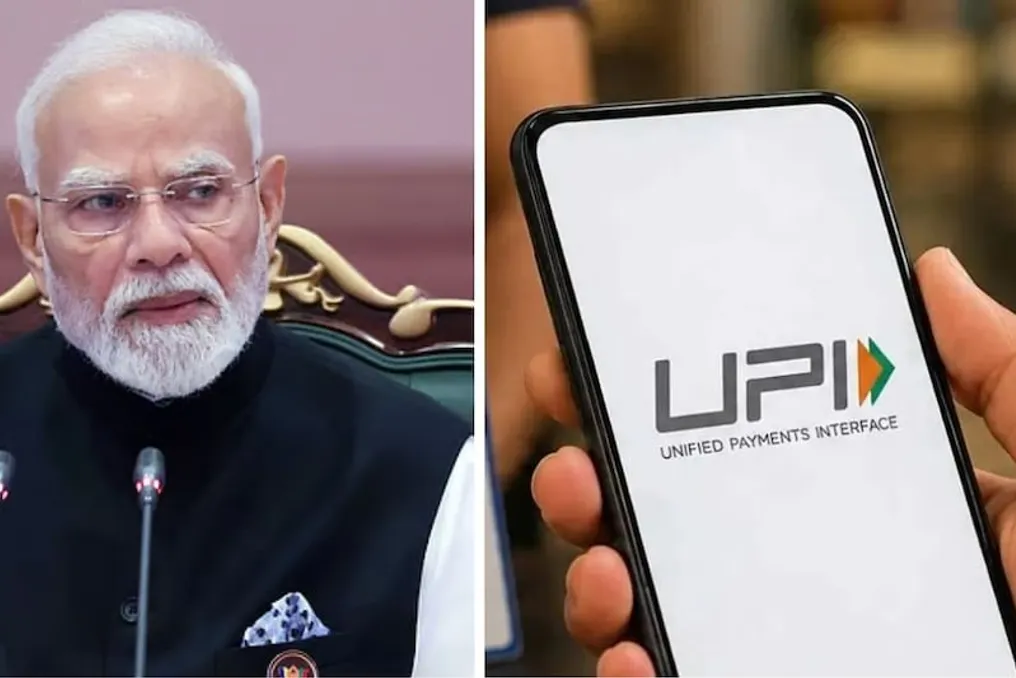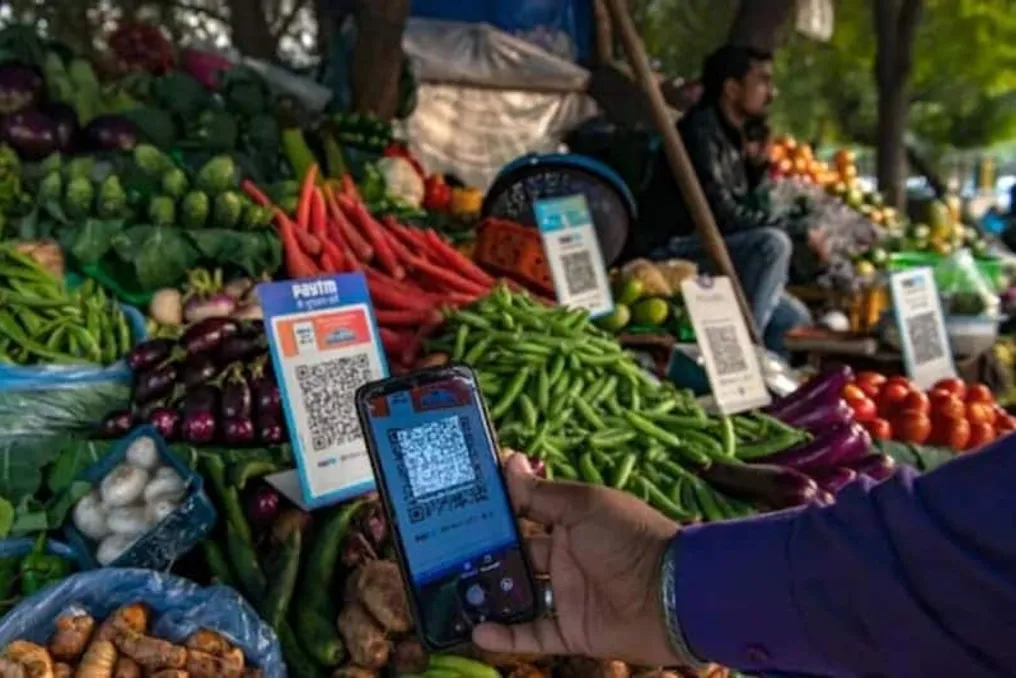
The National Payments Corporation of India (NPCI) attempted to dispel concerns regarding the application of GST to the Merchant Discount Rate (MDR) for certain UPI transactions. NPCI asserts that this change will not negatively impact small digital payment participants.
The corporation refuted reports that the introduction of GST on MDR would lead to increased costs for small businesses using digital payments. According to NPCI, this will only affect transactions exceeding ₹2000, and registered merchants can claim Input Tax Credit (ITC) against the paid MDR tax.
Effective October 15, an MDR of 0.4% will apply to Person-to-Merchant (P2M) transactions over ₹2000, with a maximum limit of ₹300. For other categories, including railway transport, telecommunication services, insurance, and fuel, a concessional MDR of ₹5 will be applied for transactions exceeding ₹2000.
MDR represents a commission charged for payment processing and settlement services, which is paid by large merchants. GST of 18% will be levied on this service fee, not on the UPI transaction value itself. For instance, in a ₹10,000 transaction, the MDR will be ₹40 (0.4%), and the 18% GST will be calculated on this ₹40 commission, not on the full ₹10,000 payment amount.
NPCI emphasized that for transactions up to ₹2000, the MDR will remain zero, and no GST will be imposed on it. Government data indicates that over 96% of all merchant transactions via UPI fall into this category. Furthermore, according to NPCI, merchants earning less than ₹100,000 monthly through UPI are not required to pay MDR, meaning small sellers in this range will not face the GST on MDR issue.
However, the share of high-value P2M transactions is growing. Available information suggests that in the fiscal year 2023, transactions over ₹2000 accounted for 15.1% of total P2M volume, while this figure increased to 20.1% by the end of Q2 2027.
Tax experts noted that the GST paid on MDR should not become a fixed cost for sellers who have outward GST liabilities. Sellers registered under the GST system can claim input tax credit for the GST paid on MDR and use it to offset their outward GST liability. This tax applies to the service charge, not the selling price.
Nevertheless, the benefit depends on the seller's tax status and business nature. Enterprises dealing in tax-exempt goods or services will not be able to utilize this credit and may consequently incur costs related to GST on MDR.
Tax experts estimate that the collection of GST on MDR could reach several thousand crore rupees annually. One estimate suggests the potential total collection could be around ₹5184 crore per year, based on monthly P2M transactions over ₹2000 and a uniform MDR of 0.4%. The actual volume will depend on the real net income from discounts, concessional MDR rates, transaction limits, and the input tax claimed by qualified enterprises. Therefore, NPCI stated that concerns about a widespread additional burden on sellers due to GST on MDR are unfounded, as most UPI transactions and small sellers will not be affected.