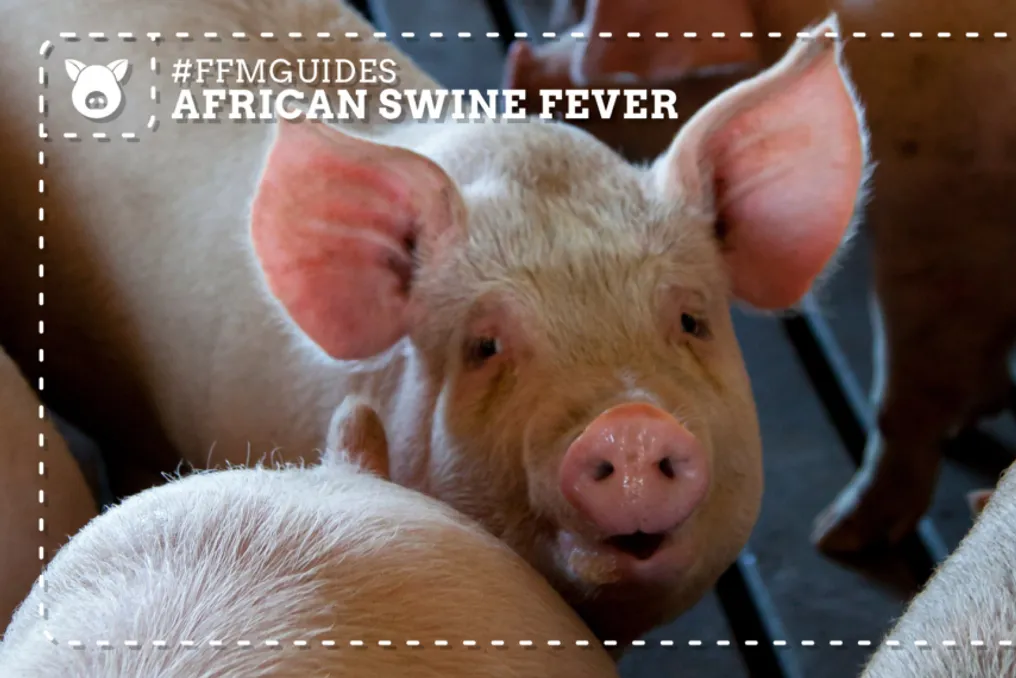
African swine fever (ASF) can enter a pig farm through animals, people, vehicles, equipment, feed, and contaminated materials. Once introduced, the virus can spread rapidly, leading to significant losses for both individual farmers and the entire swine industry.
For this reason, biosecurity must become an integral part of daily farm management, not just a measure applied during an active outbreak. Animal health technician Kenneth Malatji and Tandi Chappero, head of consumer assurance at the South African Pork Producers' Organization (Sappo), described key operational steps that farmers should take to reduce the risk of ASF introduction and spread on their farms.
The primary element of biosecurity is preventing direct or indirect contact between the herd and potentially infected animals. Malatji emphasizes that it is crucial to prevent contact between domestic pigs and wild pigs.
Chappero advises farmers to strictly isolate pigs from wild pigs, such as warthogs (Phacochoerus africanus) and bush pigs (Potamochoerus larvatus), using double fencing and physical barriers. Key herd protection measures include:
- Perimeter fencing: Installing ground-level perimeter fences to stop wild pigs from digging underneath.
- Zero stray policy: Keeping all domestic pigs constantly in secure pens or housing.
- Buffer zones: Maintaining spatial separation between the farm boundaries and neighboring livestock enclosures.
Bringing new stock onto the farm represents one of the highest risks of disease transmission to an otherwise healthy herd. Malatji recommends that farmers purchase animals exclusively from reliable suppliers whose supply chains are fully traceable.
He notes that when pigs are bought from unknown sellers, it is often impossible to verify their health status or even determine their origin. Chappero advises farmers to assess the biosecurity status of the donor farm and, if possible, inspect the premises before making a purchase. Risky channels, including informal auctions or farms without structured health protocols, must be completely avoided. Never assume that a recently acquired animal is free of disease just because it shows no visible symptoms.
Malatji insists on the necessity of quarantine: 'Quarantine, ensure you isolate your animals before introducing them into the herd. Keep them separate, monitor them, before introducing them.' New animals must remain in a special facility for a minimum of 28 days. During this period, managers must monitor for signs of critical issues:
- Appetite changes: Loss of interest in feed or sudden lethargy.
- Thermal signs: High temperature or skin redness (especially around ears and abdomen).
- Gastrointestinal distress: Diarrhea, vomiting, or respiratory problems.
- Reproductive issues: Unexplained abortions in pregnant sows.
The quarantine block must be managed using separate equipment, boots, and feed utensils to avoid cross-contamination of the main herd blocks.
Humans are the main mechanical carriers of ASF, as they carry viral particles on shoes, clothing, hands, and equipment. Malatji states: 'People are often one of the biggest risk factors for disease spread. A visitor can unknowingly carry contaminated material from one farm to another.'
Strict access protocols must be applied to all visitors, staff, and contractors:
- Visitor logs: Documenting all site visits, including dates and previous visits to the farm within the last 48 hours.
- Access restriction: Granting access only to necessary personnel.
- Special workwear: Requiring employees and visitors to wear special farm uniforms and boots before entering livestock areas.
Any item moved between agricultural sites can carry viral loads. However, applying chemicals directly onto mud makes them ineffective. Chappero states: 'The most important step is to remove all solid organic material before using disinfectants. No disinfectant can remove the virus from a pile of mud or feces.'
Proper sanitation requires a mandatory two-step sequence:
- Mixing registered virucidal disinfectants strictly according to manufacturer specifications.
- Allowing the product the necessary wet contact time (from 10 to 30 minutes depending on product specification).
Cleaned equipment and transport trailers should be thoroughly dried under direct sunlight before reuse.
Feeding unprocessed food waste, kitchen scraps, or catering waste containing pork products is one of the most common causes of ASF outbreaks worldwide. The virus can persist for a long time in fresh, frozen, or dried pork products. Chappero advises farmers never to feed pigs unprocessed waste, emphasizing the need to comply with the Animal Diseases Act of 1984 (Act No. 35 of 1984).
Malatji adds that farm workers must be prohibited from bringing external pork products into the animals' living quarters for personal consumption to prevent accidental exposure through discarded remnants.
Regular monitoring remains the most effective tool for early disease detection. Malatji says: 'Farmers know their animals better than anyone else. Often, the first signs that something is wrong, they can simply notice right from the start.'
If ASF is suspected, the following steps must be taken:
- Halt movement: Immediately stop all movement of pigs, vehicles, and equipment to and from the farm.
- Isolate affected areas: Restrict movement between individual pigpens.
- Notify authorities: Contact the local state veterinarian immediately.
Chappero emphasizes: 'Immediately report suspected ASF to the local state veterinarian. Reporting a suspected disease is not an admission of guilt. In fact, it is a demonstration of responsibility and protection for neighboring farmers and the entire industry.'
To maintain daily protection against viral entry, the following core operational checklist should be implemented:
- Traceable purchases: Buying pigs exclusively from verified, biosecure suppliers.
- 28-day quarantine: Isolating all incoming stock in a separate facility before integration.
- Access control: Logging all visitors and enforcing a policy of special clothing and footwear.
- Cleaning before disinfection: Removing organic matter before applying virucidal chemicals.
- Zero waste feeding: Prohibiting kitchen scraps and feeding only legally approved commercial rations.
- Secure boundaries: Maintaining fencing to exclude wild pigs (Phacochoerus africanus).
- Daily inspection: Daily checking of herds for fever, skin lesions, or sudden mortality.
- Immediate reporting: Locking down the farm and contacting the state veterinarian at the first sign of suspicion.
As Malatji stresses: 'You are the first and most important line of defense against African swine fever.'
_