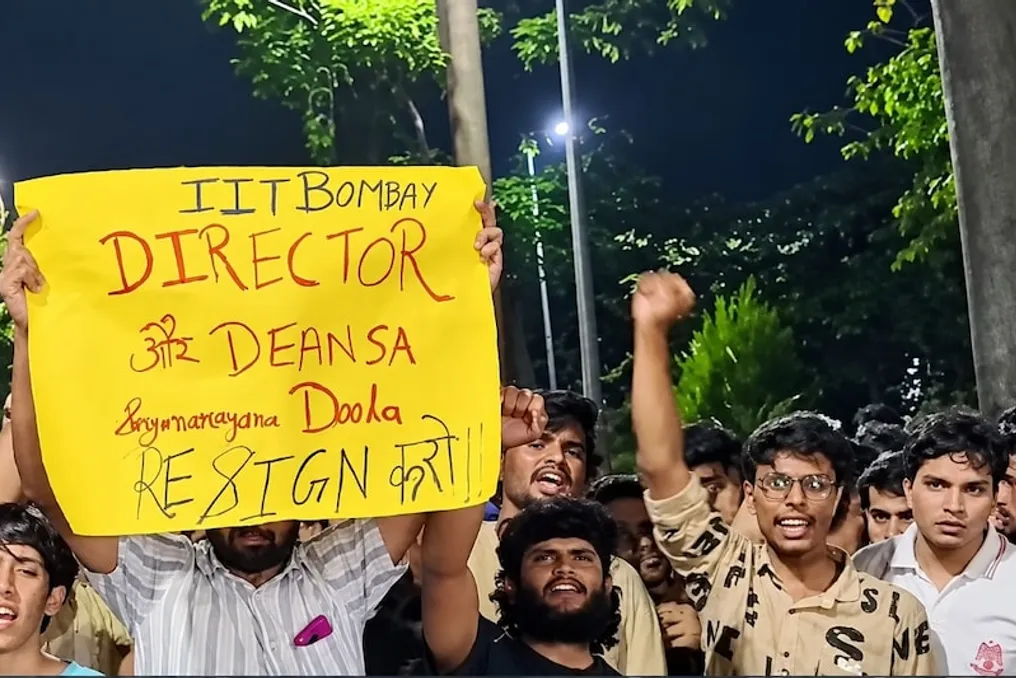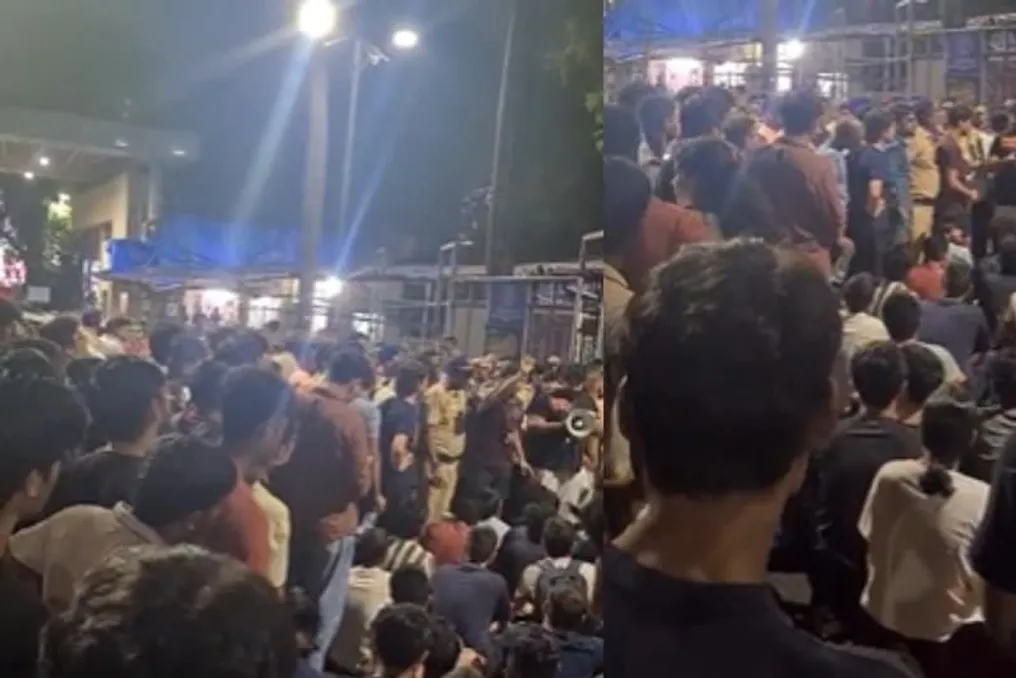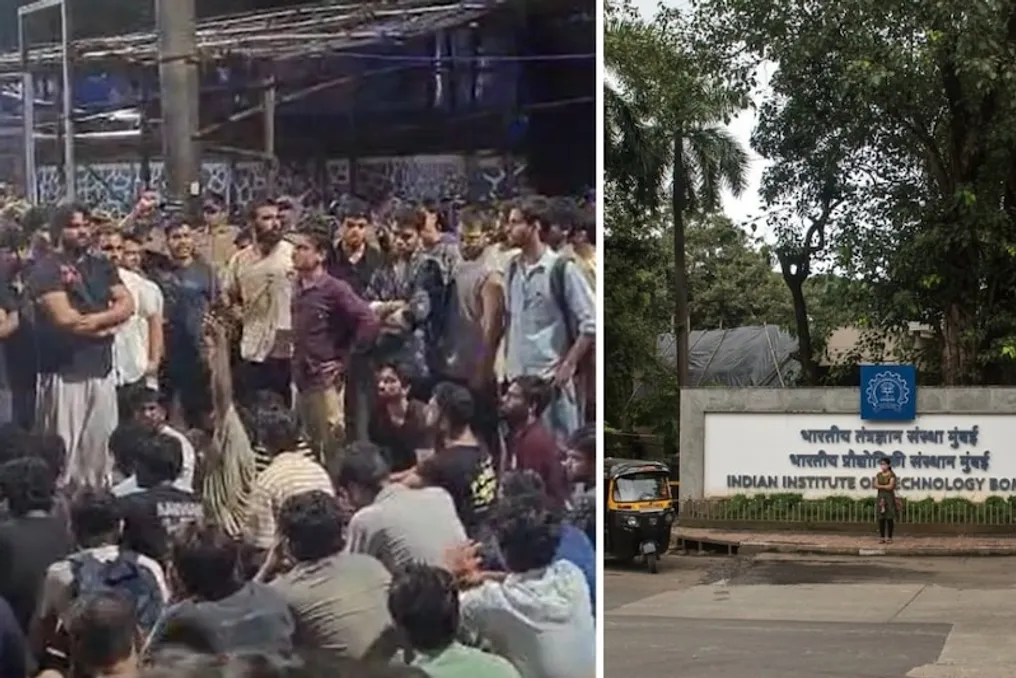
Following the discovery of the body of second-year B.Tech student Sahil Vakode in Hostel No. 16 at IIT Bombay on September 18, anger within the institute reached a new level. Initially, the main focus of protests and family statements was centered on 'caste oppression,' but over time, the narrative within the campus began to shift.
Sahil's family initially leveled a direct accusation against faculty member Professor Suryanarayan Dulla for exerting psychological pressure. Based on this statement, the Mumbai Police registered a case under the SC/ST Atrocities Prevention Act and transferred the investigation to the Criminal Department. Nevertheless, several days after the incident, the issue of 'caste discrimination,' which was the center of the initial outrage, receded from official student demands and statements.
The anger that immediately followed Sahil's death on campus regarding 'caste bias' and harassment has now transformed into more diplomatic phrasing such as 'institutional reforms,' 'academic pressure,' and 'systemic changes' in official student representative statements. In recent statements released by students, an extremely balanced and cautious position was adopted regarding Professor Dulla. Students stated that their goal is not to assign blame before the investigation is complete, but merely to have the professor relieved of administrative duties (Dean of Administration) pending an impartial inquiry.
A natural question arises: why has the students' position become so 'soft' compared to the initial allegations recorded in the family's FIR? Is this due to some institutional pressure, or is it influenced by facts emerging during the investigation compared to the initial claims?
On the other hand, the IIT Bombay Faculty Forum firmly defended Professor Dulla. The Forum refuted media reports, clarifying that the professor was not suspended, but only had his administrative powers removed to ensure the impartiality of the investigation process. The Chairman of the Faculty Forum, Professor Dr. Rajkumar Pant, countered the caste allegations by presenting official institute records. Professor Pant explained that, like any institution, they have a specialized cell for the welfare of SC/ST caste students. According to information received from Deputy Director Professor Ravindra Ghudi, this cell officially confirmed that Sahil had not filed any complaints or had any contact with it in the last three or four months.
Professor Pant added that preventing the use of malpractice (cheating) during exams is a mandatory requirement for a faculty member. He noted that Professor Dulla was simply fulfilling his assigned duties to protect the rights of the majority of students taking exams honestly.
While the Faculty Forum asserts that there were no prior complaints to the SC/ST cell, external student organizations (such as AISA) continue to insist on full administrative accountability and resignation. However, this entire incident raises several fundamental and sensitive questions: does the absence of a complaint mean the absence of harassment? Can the fact that the student did not approach the SC/ST cell be considered conclusive proof of the absence of isolation or pressure? There is also the question of whether SC/ST cells in elite educational institutions can gain enough trust among students for them to report their problems without fear?
Currently, the Mumbai Police Criminal Department is examining CCTV footage from the examination hall to the hostel from September 18, as well as other technical evidence. The true truth about Sahil's tragic death will only be known after the legal procedure is completed. Nevertheless, this case has once again sparked a serious discussion about student mental health, institutional pressure, and caste sensitivities in the country's leading institutions.