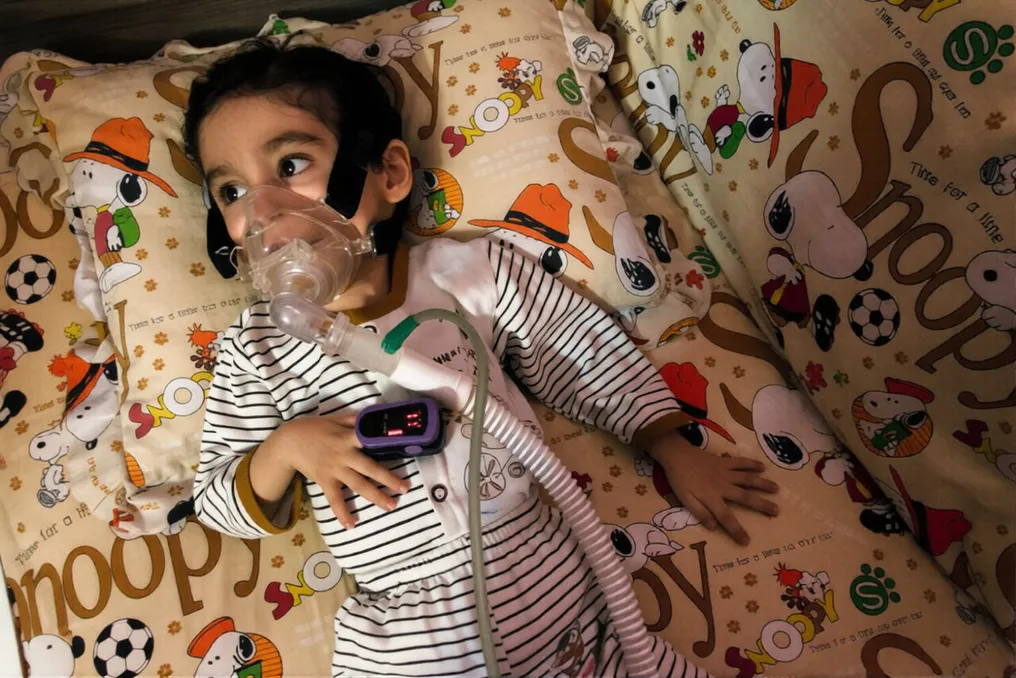
According to the Rare Disease Fund, eighteen more rare diseases have been discovered in the country, increasing the total count of such pathologies to 531 cases. The local news agency Mehr reported that among the identified illnesses are idiopathic camptocormia, intellectual disability, eye anomalies, microcephaly, peripheral spasticity syndrome, riboflavin transporter deficiency (Brown-Vialetto-van Laere syndrome), mantle cell lymphoma, chronic eosinophilic leukemia, combined immunodeficiency due to IL21R deficiency, isolated tibial hemimelia, breast phyllodes tumor, and 3MC syndrome.
General information about rare diseases
The World Health Organization (WHO) notes that rare diseases are often serious, chronic, and life-threatening. The European Union defines a rare disease as one affecting fewer than 5 people per 10,000 population. Furthermore, about eighty percent of all rare diseases are genetic disorders, and half of them manifest in childhood.
Rare diseases affect millions of people worldwide; they are often complex, involve multiple organ systems, and lead to disability or premature death. Many individuals living with these conditions face delays in diagnosis, fragmented treatment, limited access to effective interventions, financial hardship, stigmatization, and social isolation.
The incidence of rare diseases is so low that there may be only one or two people with a specific condition in a country. Among the most common cases in the country mentioned are rare diseases such as 'butterfly skin or EB', 'spinal muscular atrophy (SMA)', 'metabolic diseases', 'autism', and 'dystrophies.'
Funding and medical care
Among rare diseases, oncological diseases are the most expensive for the Rare Disease Fund to cover, so seventy percent of the funds are directed towards cancer-related medications. The rise in the number of oncological diseases underscores the need to develop prevention programs, early detection, targeted screening, and ensure equal access to healthcare services.
The budget allocated for treating rare and incurable diseases has increased in recent years: it rose from 50 trillion rials (approximately $21.7 million) in the first year to 120 trillion rials (about $52.17 million) this year.
In May, a health ministry official, Sajjad Razavi, stated that the Medical Insurance Organization covers the treatment of approximately two million patients with rare and incurable diseases. Razavi also noted that patients receive support from the Rare Disease Fund, according to IRNA.
These statements were made on the occasion of the National Day of Rare and Incurable Diseases, which is observed annually on Ordibehesht 18th, the second Iranian calendar month, corresponding to May 8th. This day serves as an opportunity to re-evaluate the healthcare system's responsibilities toward patients requiring comprehensive and multidimensional care, given the complexity, chronic nature, and predominantly incurable nature of their illnesses.
Dozens of specialized medical service packages have been developed to protect patient health and reduce the financial burden on households, and more are being developed. These packages include diagnostic, therapeutic, pharmaceutical, rehabilitative, and dental services provided both outpatient and inpatient, with minimal co-payments or free of charge.
Despite their lower prevalence, rare and incurable diseases remain a major priority in healthcare due to the complexities of their diagnosis and treatment. Since there are currently no cures for rare diseases, patients require supportive therapy and rehabilitation services throughout their lives. Therefore, this day emphasizes the need for coordinated planning, development of permanent specialized services, genetic counseling, expansion of insurance coverage, and social support. Key factors for reducing mortality among patients include improving health literacy, strengthening the patient referral system, and expanding preventive services.