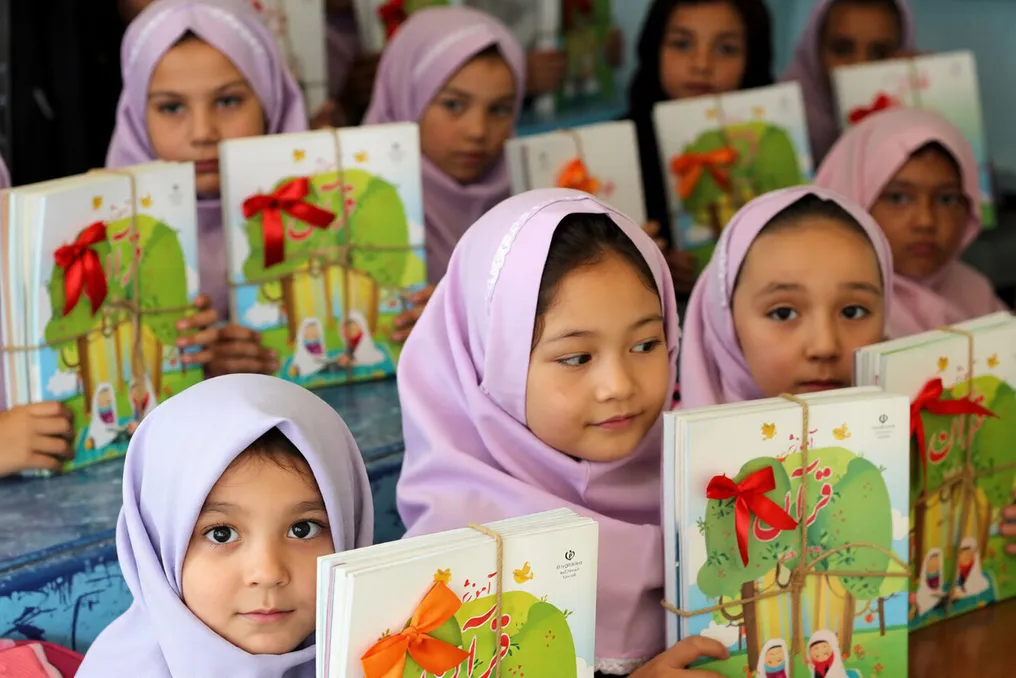
In Iran, more than 200,000 foreign students, including boys and girls, have been registered for the current academic year, which begins on September 23rd, to receive educational services.
Ali Farhadi, an employee of the Ministry of Education, reported that schools have accepted students facing issues with legal residency, thereby preserving their right to education. In July 2025, Filippo Grandi, the High Commissioner for UNHCR, highly praised the efforts of the Ministry of Education in supporting and providing services to foreign students.
Grandi told the Mehr agency that his visit to Iran was aimed at recognizing the valuable services provided by the country to refugees. He noted that he has repeatedly raised this issue in international forums and called on other countries to follow Iran's example.
These remarks were made during a meeting with Minister of Education Alireza Kazemi on July 23rd. During this meeting, Grandi referred to a 2015 statement by the Leader of the Islamic Revolution, Ayatollah Seyyed Ali Khamenei, which stipulated that all Afghan refugees, including undocumented ones, had the right to education. The Commissioner called this a valuable historical measure that surprised even wealthy nations.
For his part, Kazemi discussed the measures and difficulties associated with assisting refugees. Iran spends $100 million annually on serving foreigners, while the contribution from UNHCR over the past two years has been less than one percent.
The Minister added that the presence of refugee students in schools has led to classroom overcrowding, negatively affecting the academic performance of Iranian students. Kazemi emphasized that the lack of educational space and the significant financial burden of support are socially and economically costly, as people expect these expenses to be covered by Iranians, which is a logical demand.
Drawing attention to the social and economic problems caused by foreigners, Kazemi noted that due to economic difficulties, Afghan refugees are forced to involve their children in income-generating activities, leading to serious social consequences for the country. Nevertheless, Kazemi assured that Iran has never reduced services for refugees and continues to provide the best services to legally permitted refugee students, ensuring that none of them are deprived of education.
He also mentioned that now that Afghanistan has achieved stability, Afghan citizens can return home with dignity and serve their country. To support deported refugees in continuing their studies, Iran is prepared to educate all Afghan students through local educational platforms under a trilateral cooperation agreement and issue them a valid educational certificate based on the statutes of virtual schools approved by the Supreme Council of Education.
Grandi positively assessed this proposal and expressed UNHCR's support for the program, calling it an invaluable measure for the younger generation. He acknowledged the low contributions, stating that more funds should be allocated to these services, but this is impossible due to the current situation and sanctions. Grandi concluded: 'We are not a rich partner, but we would be happy to remain your partner.'