The culinary heritage of South Africa reflects the diversity of its peoples, cultures, and regions. Regardless of the region, malva pudding is one of the dishes that can be found on menus. These iconic dishes tell the stories of the people who shaped the country, whether served at family celebrations, cooked over a fire, sold on the streets, or passed down through generations.
From aromatic Cape Malay style dishes to classic Durban recipes and township fare—all this food demonstrates the richness of culinary traditions. As part of Heritage Month, nine South African dishes are featured that deserve attention in understanding the uniqueness of local cuisine.
Bunny Chow
Bunny Chow is closely associated with the city of Durban. This dish consists of a hollowed-out loaf of bread filled with curry. It originated in the Indian community of Durban and has become one of the city's most famous culinary exports. When consumed, the bread absorbs the curry, becoming an integral part of the meal rather than just a side dish.
Tomato Bredie
Tomato Bredie is a hearty stew traditionally linked to Cape cuisine and the Cape Malay style. The word 'bredie' means slow-cooked stew. It is known for its rich tomato base and warming spices, while the meat is simmered until tender. Bredies have become an important part of Cape culinary tradition; among the known variations are versions with tomatoes, cabbage, and green peas. This dish is perfect for the category of South African comfort food: it is generous, deeply flavorful, and meant for sharing.
Chakalaka
Chakalaka is a spicy vegetable relish that has become closely associated with township food in South Africa and is now found on tables across the country. Although recipes may vary, this side dish usually includes vegetables such as onion, tomatoes, peppers, carrots, and beans, mixed with spices and chili. It is often served with pap, bread, meat, or other favorite grilled items. The history of chakalaka is less clearly defined than some of the country's older dishes, but its place in South African food culture is firmly established.
Potjiekos
Potjiekos is defined not only by its ingredients but also by its method of preparation. Traditionally, it is cooked in a three-legged cast iron pot over an open fire, layering meat and vegetables and allowing them to simmer slowly. Although this dish is particularly associated with Afrikaans cuisine, today it has long gone beyond any single community. It is a dish loved by people from different cultures, reflecting the country's love for cooking over an open flame.
Vetkoek or Magwinya
Whether called vetkoek, magwinya, or amagwinya, this fried dough is very popular at markets, gatherings, and roadside stalls across South Africa. A crispy exterior hides a soft, airy center. It can be eaten plain, stuffed with mince curry, or paired with sweet toppings like jam. The different names reflect the linguistic and cultural diversity of the country, while the dish itself has become widespread.
Bobotie
Bobotie is one of the dishes most often used to represent South African cuisine abroad, yet its roots lie in Cape Town and the influence of Cape Malay culinary art. It is made from seasoned minced meat, traditionally topped with a custard made from eggs and baked until cooked through. Sweet and savory flavors combine with aromatic spices, often complemented by raisins. Cape Malay cooks have made a significant contribution to South Africa's culinary culture, and bobotie is among the dishes associated with this heritage. Today, bobotie can be found both on home tables and in restaurants far beyond Cape Town.
Malva Pudding
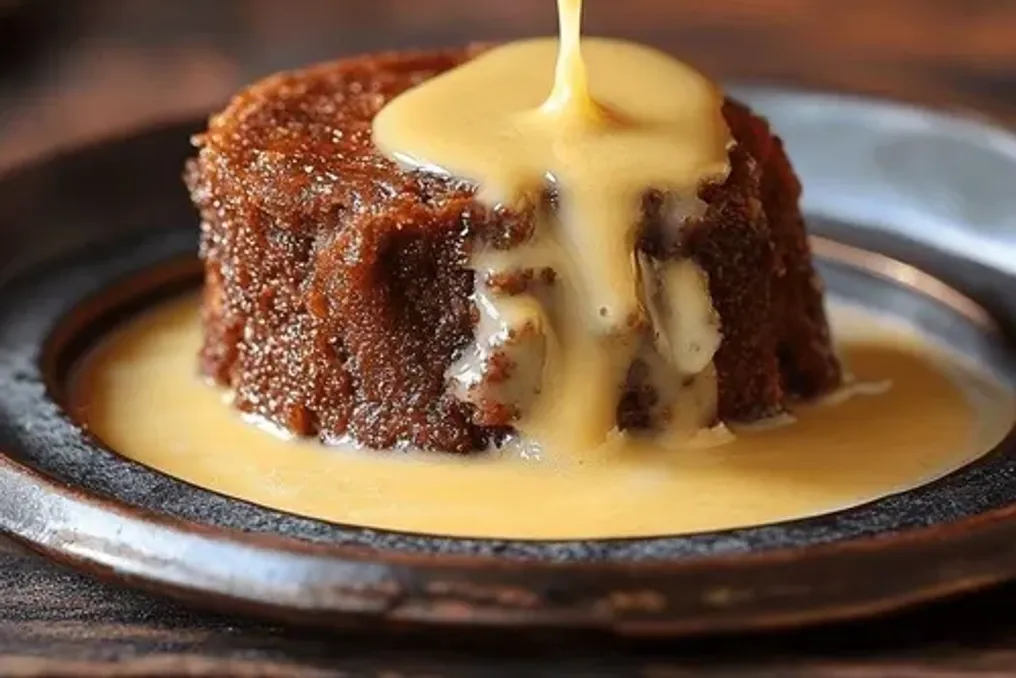
Malva pudding is a dessert that requires no introduction in South Africa. The pudding is drenched in a rich sweet sauce while still warm, allowing it to absorb the liquid. It is usually served with custard or ice cream. The exact history of this dish is debated, but it is widely considered a South African dessert with associations to Cape Dutch cuisine. It has become a familiar element in restaurant menus and family celebrations.
Milk Tart
Milk tart, or melktert, is another dessert deeply rooted in South African culinary culture. It has a base of shortcrust pastry or sponge cake, filled with a creamy milk-egg custard, and sprinkled with cinnamon. This dessert has roots in Dutch culinary influence in Cape Town and has evolved into countless family versions over time. Today, it can be found on restaurant menus, is available in most bakeries, and is popular at family gatherings. Its appeal is simple: the combination of creamy custard, cinnamon, and shortcrust base is time-tested. From restaurants to bakeries, milk tart is a dessert that frequently appears on the tea table.
Koeksisters
Perhaps there is no better example of how South African food can tell several cultural stories than koeksisters. The traditional Afrikaans koeksister is made from braided dough, deep-fried, and then soaked in cold syrup. The result is a crunchy, sticky, and sweet texture with syrup permeating the pastry. There is also the Cape Malay koeksister, which is a different confection made from fried dough, syrup, and coconut, often using spices such as cinnamon and cardamom. Although both hold a place in South African culinary culture, they should not be confused. This distinction is what makes the heritage of South African food so fascinating.
Our dishes do not always fit into separate categories. They have traveled, changed, and been adopted by different communities. Perhaps this is how these dishes should be viewed during Heritage Month. They are not merely products of the past; they are part of a living culinary culture that continues to evolve while remaining recognizably South African.