Many diseases can develop unnoticed, and potential signs may remain unrecognized until the illness progresses. Although regular medical check-ups play an important role in early risk detection, this is not always a priority in the fast pace of daily life. Here, wearable technologies begin to play a more significant role, helping to increase users' awareness of their health in their daily routine.
The HUAWEI WATCH GT 7 Pro is designed to support this level of awareness by offering research-based features that assess the potential risk of developing ischemic heart disease and diabetes in users. By combining continuous monitoring with structured assessments, the watch transforms daily health data into more understandable information that can prompt earlier consultation with a doctor.
Ischemic heart disease can develop gradually, and warning signs are sometimes missed until a serious deterioration in condition occurs. Therefore, raising awareness of possible risk factors plays an important role in encouraging people to seek medical help in a timely manner.
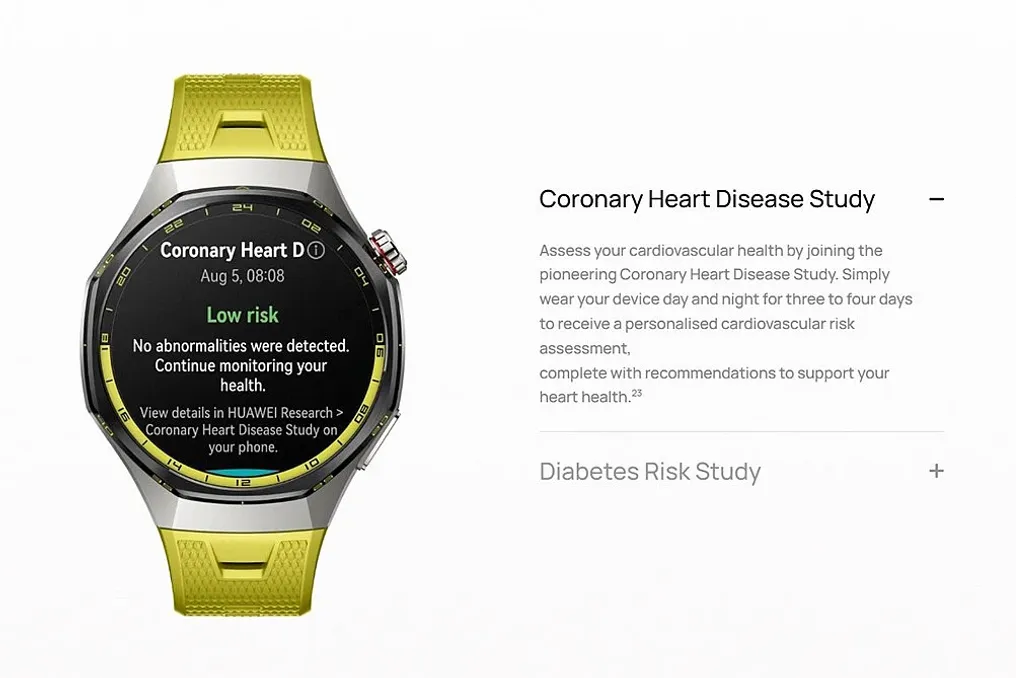
The HUAWEI WATCH GT 7 Pro supports an ischemic heart disease risk study that uses a combination of questionnaire responses, static ECG measurements, and health data collected over several days. To participate, users first complete a questionnaire via the HUAWEI Research app on their smartphone. They then perform static ECG measurements and wear the watch continuously during daytime activity and sleep for three to four days.
After collecting sufficient data, the system generates a risk assessment report. If the results indicate an increased potential risk, users are advised to consult a healthcare professional, undergo further examination, and consider appropriate steps to manage their health. According to Huawei, this is the first and only smartwatch brand to offer such an ischemic heart disease risk assessment capability.
The HUAWEI WATCH GT 7 Pro also provides a diabetes risk assessment, helping users better understand their potential risk of hyperglycemia. By analyzing physiological data and identifying abnormal metabolic signals, the assessment gives the user insight into their potential risk level. If the assessed risk increases, the system may recommend lifestyle changes or prompt the user to seek professional medical help.
This can make risk awareness more accessible, especially for people who might not recognize early changes or have not had a recent medical check-up. It can also motivate users to pay more attention to factors such as physical activity, sleep, nutrition, and overall lifestyle. The value of these features lies in their ability to transform regularly collected health data into information that users can discuss with qualified medical specialists. Instead of presenting isolated measurements, the HUAWEI WATCH GT 7 Pro combines multiple indicators to provide a broader view of potential health risks.
This marks a significant shift in wearable technology—moving from simply recording what happened to assisting users in recognizing what needs attention. The ischemic heart disease and diabetes risk assessment features are intended to support health awareness and research. They are not meant to diagnose medical conditions or replace professional medical consultation, testing, or treatment. The availability of these features may also vary depending on the market and applicable regulations.