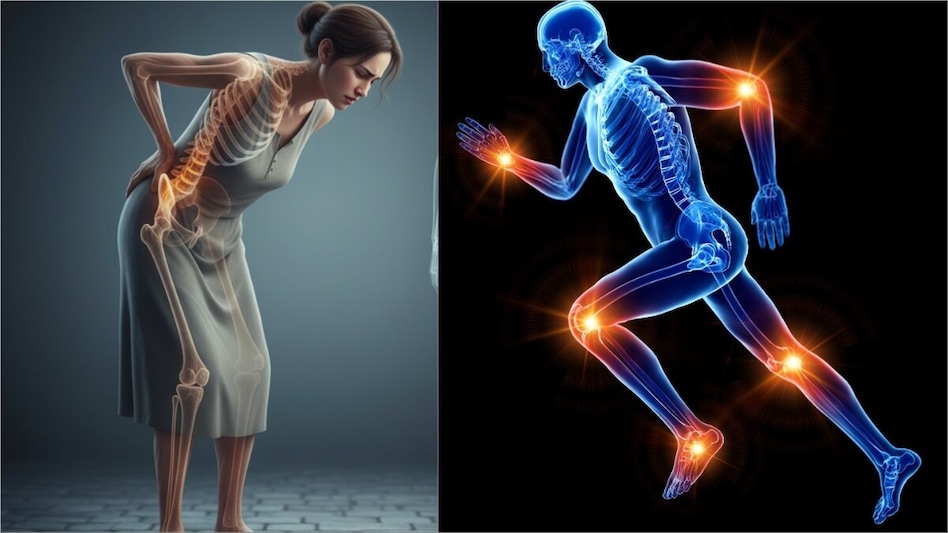
Bone diseases are becoming increasingly common today, including the development of arthritis at an early age. Doctors recommend engaging in physical exercise to maintain bone health, but BMJ Health reported on the most effective training that promotes skeletal strength, reduces the risk of bone density loss, and prevents diseases such as osteoporosis.
In a study published in BMJ, scientists from China investigated the relationship between different exercise regimens and bone mineral density (BMD), which is a key indicator of bone strength. The work paid particular attention to preventing age-related bone weakening associated with osteoporosis. The research team collected data from 18,429 people aged 40 and older, based on the analysis of 124 previous trials.
According to the researchers, the decline in BMD with age is directly linked to reduced bone strength and an increased probability of fractures. Regular physical exercise, meanwhile, represents a simple and accessible method that, when combined with medication, benefits both the bones and the entire body.
To assess the data, exercise groups were divided into categories such as strength training, yoga, and walking. Researchers used the 'metabolic equivalent task' (METs per week) to calculate the exercise dosage, which reflects the speed and energy expenditure during physical activity.
The analysis showed that brisk walking or running was the most favorable for bone strengthening. It was found that daily brisk walking maintains bone strength and can significantly slow down age-related skeletal weakening, helping to prevent osteoporosis.
Furthermore, this physical activity is beneficial for osteoporosis, which affects millions of people worldwide and often leads to fractures. Estimates suggest that over 500,000 fractures related to osteoporosis occur annually. These injuries can cause additional health problems and premature death, especially among the elderly, as bones require more time to heal, leading to prolonged hospitalization and reduced mobility.
The study demonstrated that this specific physical load can help prevent some similar injuries and cases of premature mortality.