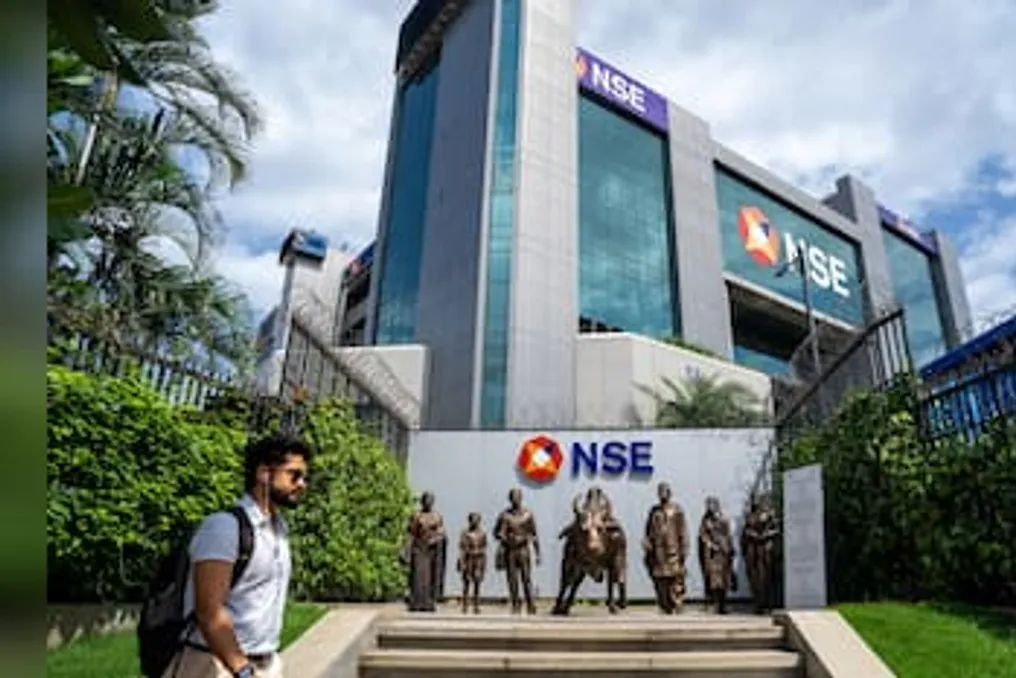
The deadline for deciding on an investment in the NSE IPO is approaching, with only a few hours remaining. This IPO opened on September 17, and the subscription window is about to close. The total volume of the NSE IPO is 225,615.7 crore rupees, and this entire mega-offering represents an Offer for Sale (OFS) to shareholders.
The IPO price range is set between 1,700 and 1,785 rupees per share. The minimum amount a retail investor must invest per lot is 14,280 rupees, as one lot includes eight shares. Since the offering is entirely an OFS, the funds from the IPO will go to the shareholders, and the company will not receive new financing. The company attracted 674.618 crore rupees from anchor investors.
NSE is India's largest and leading multi-cap exchange globally. NSE's market share in the money market reaches 99.79%, and in the stock options market—about 99.48%. For the fiscal year 2026, the company recorded total revenue of 187,133.7 crore rupees and a net profit after tax (PAT) of 103,020.6 crore rupees. In the first quarter of the 2026 fiscal year, the company earned a net profit of 3,120.08 crore rupees.
On the last day of the NSE IPO, it was subscribed approximately 4.17 times. Meanwhile, the QIB quota was filled 8 times, the NII quota 5.56 times, and the smallest category of retail investors 1.18 times. Retail investors show low enthusiasm for this IPO. Nevertheless, many major brokerage houses recommended investing in this IPO for the long term.
Experts note that a significant portion of investors are opting out because the IPO is exclusively an OFS, as well as due to the low grey market premium (GMP). As of Monday at 2:00 PM, the GMP was less than 5 percent, which reduces the likelihood of making a significant profit upon listing.
Despite this, experts believe that NSE is a good company and a market leader. They believe that NSE will benefit the most from India's economic growth and the increasing participation of retail investors in financial markets. The company has the potential to become a key stock in a long-term portfolio.
Typically, large investors participating in OFS IPOs make significant profits and withdraw their funds, but the situation with NSE is different. NSE's largest institutional shareholder, LIC, which owns 10.72% of the shares, did not sell a single share in this IPO. Other key shareholders, such as Aranda Investments, State Bank Capitals, and ChrysCapital, decided to sell only an average of 7% of their stakes.
policy_notes: