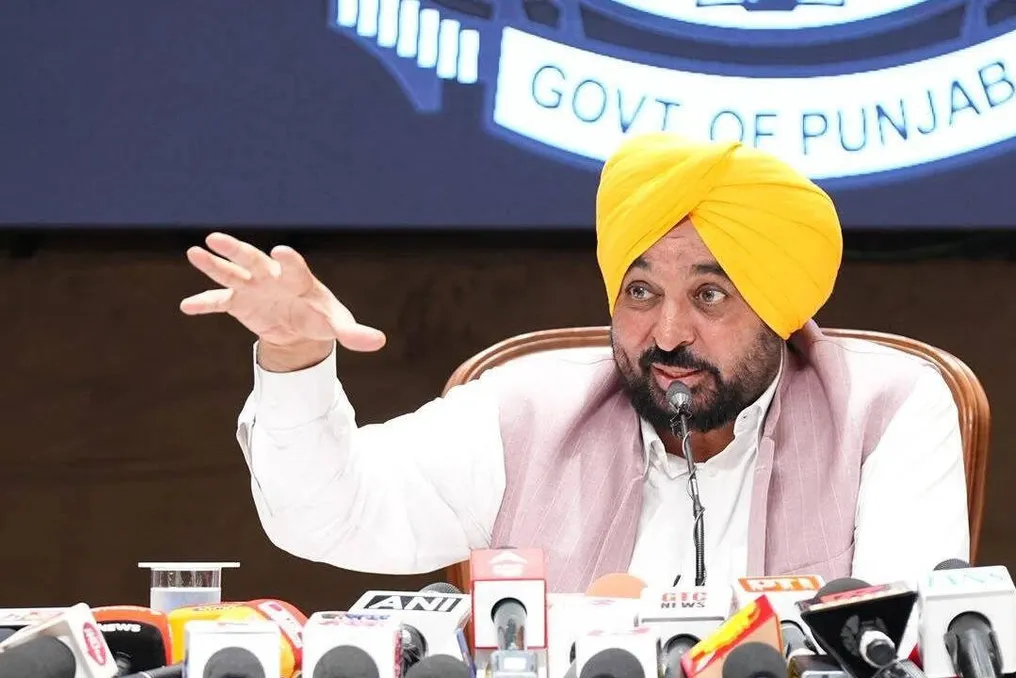
The government of the state of Punjab, led by Chief Minister Bhagwant Singh Mann, has expanded its anti-drug campaign, 'Yudh Nashean Virudh'. This initiative goes beyond routine police operations, combining measures against drug networks with preventive activities in schools, youth engagement, community vigilance, and assistance for individuals struggling with addiction.
According to a government statement, the campaign's goal is to hinder drug sales, simplify citizens' ability to report trafficking, prevent youth from becoming addicted, and ensure timely access to treatment for those affected. The strategy involves coordinated efforts from the police, teachers, students, local volunteers, and medical professionals.
Between March 2025 and September 2026, the Punjab Anti-Narcotics Task Force registered 61,824 First Information Reports (FIRs) and arrested 81,433 people. During this period, authorities confiscated 3,918 kg of heroin, 991 kg of opium, 47 tons of poppy husk, 1,416 kg of ganja, and 65 lakh tablets and capsules. Furthermore, the Punjab Police conducted 79,293 public gatherings to strengthen public participation in this campaign.
In parallel, preventive work has been introduced in educational institutions. Through trained teachers in 3,600 schools for 7.5 lakh students, a 14-week curriculum on drug abuse prevention is being taught. In the initial phase, about 25,000 teachers from 13 districts are undergoing training, with 7,000 already trained in Amritsar, Tarn Taran, and Fazilka. The program aims to help educators recognize early signs of mental distress, vulnerability to substance abuse, and intervention opportunities.
Youth programs are being utilized to combat peer influence and social acceptance of drugs. Schools have been issued annual event calendars, and colleges organize cultural festivals, mental health clubs, sports events, and other activities to promote healthier lifestyles and reduce the stigma associated with recovery.
At the grassroots level, about 1.25 lakh people have joined nearly 15,000 Village and Area Protection Committees. Over 50,000 members of these committees have been trained to use the Nasha Mukti application to report drug-related information and connect people needing help with government services.
Since the launch of the WhatsApp helpline for Safe Punjab on March 1, 2025, over 51,000 messages have been received from citizens, which, according to the government, helped the police make over 25,000 drug-related arrests. The government has also expanded treatment infrastructure: currently, 547 OOAT centers, 219 detoxification centers, and 91 rehabilitation centers are operational in Punjab. Government facilities have been modernized, medical staff have been trained, and skills and creative activities have been introduced in treatment centers.
According to the government, the number of hospitalizations in state detoxification and rehabilitation centers has increased from over 12,200 in 2024 to nearly 34,000 in 2025, representing an increase of more than 170%. These figures indicate a sharp rise in the number of people seeking institutional support, as Punjab strives to combine law enforcement with prevention, community action, and rehabilitation in its fight against drugs.