The first laureates of the professional competition 'Teacher of the Year' have been named in Uzbekistan, which gathered over 46,000 educators from across the country.
The first laureates of the professional competition 'Teacher of the Year' have been named in Uzbekistan, which gathered over 46,000 educators from across the country.
More than 46,000 teachers participated in the competition, and in the first round, 208 teachers from various cities and districts took first place. The participants' evaluation focused on professional skills, with a special emphasis on advanced methodologies that contribute to improving the quality of education.
Each of the 208 winners will receive a monetary reward of 616 million sums, equivalent to 1,400 basic calculation indicators.
This competition is being held for the first time at the initiative of the President of Uzbekistan. Its main objectives are to identify the professional potential of teachers, stimulate healthy competition among education sector workers, and improve the overall level of education.
The high level of participation, exceeding 46,000 people, indicates significant interest from educators in this professional contest and their desire to demonstrate the best achievements in their regions.
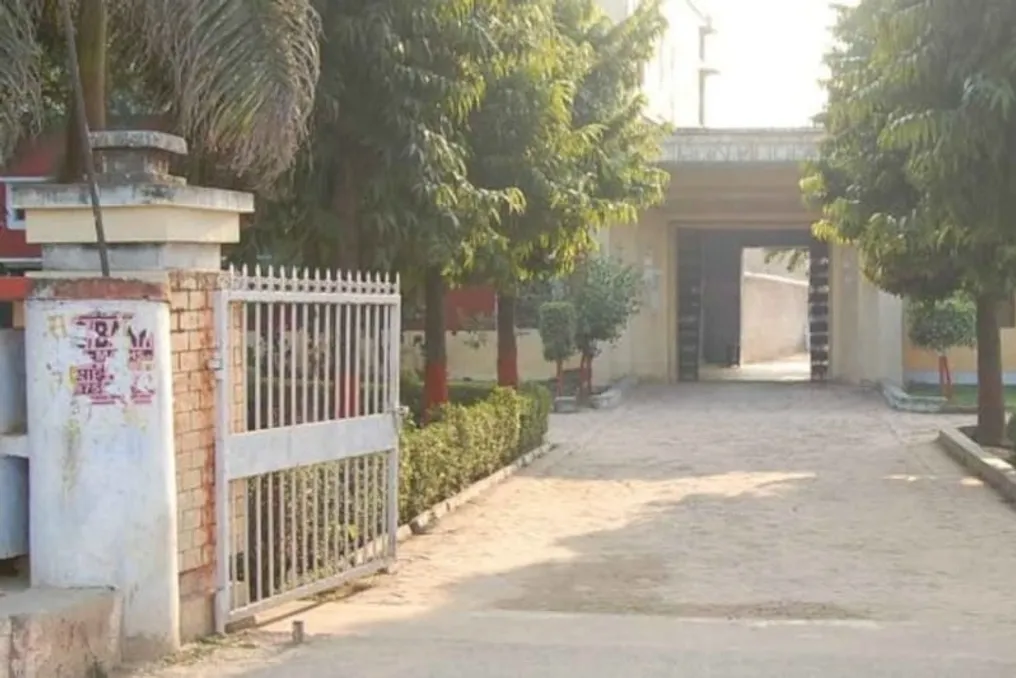
As part of the Yogi government's efforts to immortalize great figures and convey their contributions to the new generation, a decision was made to change the name of Janata PG College in Patla, Ghaziabad, to 'Chaudhary Ajit Singh Janata PG College.'
The Minister of Higher Education of the state, Yogendra Upadhyay, stated that the state government, under the leadership of Chief Minister Yogi Adityanath, is continuously working to strengthen the education system and pass on the glorious contributions of great personalities to the new generation. In this regard, the decision was taken to rename Janata PG College in Patla, Ghaziabad, as 'Chaudhary Ajit Singh Janata PG College.'
The Minister of Higher Education reported that a proposal on this matter was submitted by Chaudhary Charan Singh University in Meerut, and the university council approved this proposal. A corresponding order will soon be issued at the government level.
He emphasized that Chaudhary Ajit Singh made a significant contribution to the development of the social, educational, and agricultural sectors of the state and the country. His name serves as a source of inspiration for the youth. Linking educational institutions to the names of great people plays an important role in familiarizing students with their ideas, struggles, and achievements.
The Minister of Higher Education also noted that the Yogi government strives to make higher education institutions in the state high-quality, modern, and employment-oriented, as well as to strengthen their prestige and recognition. Constant steps are being taken to improve the quality of education, enhance basic facilities, and encourage research and innovation in universities and colleges.
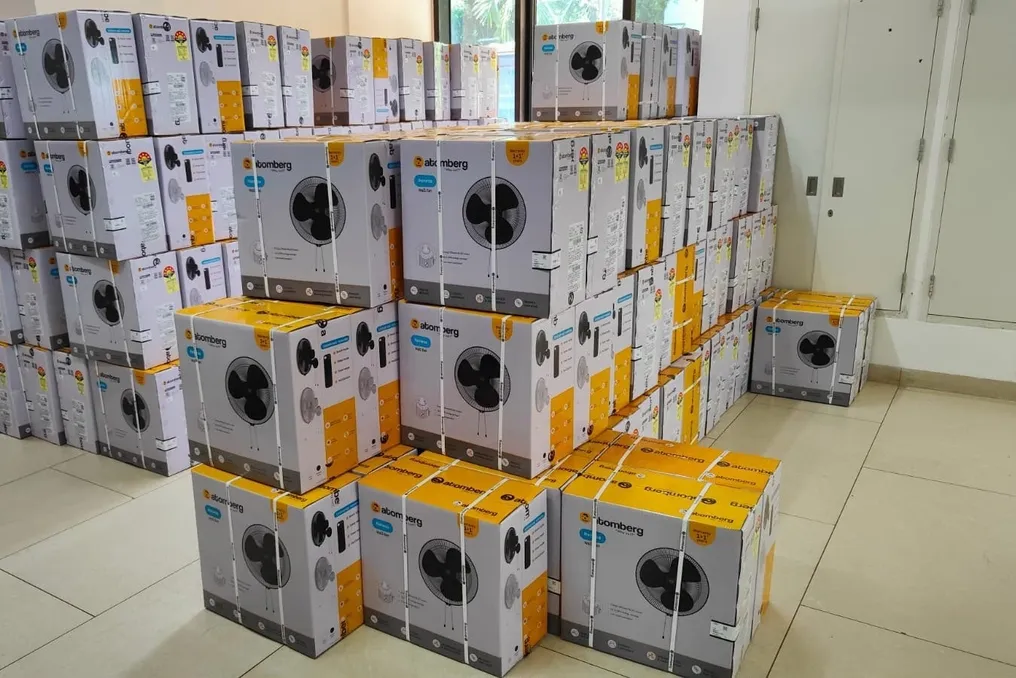
The administration of IIT Bombay has begun implementing an unusual change in its hostels to prevent student suicides. To avoid the use of ceiling fans for hanging, they are being replaced with wall-mounted fans.
According to sources, this step has been under consideration for the past two months and was recently approved. The first batch of wall-mounted fans has already arrived on campus. The fan replacement is part of a strategy that the IIT Bombay administration promised to students in July.
This decision was made amid significant controversy following an incident where Sahil Wakode, a 20-year-old second-year undergraduate student in biotechnology, committed suicide by hanging.
This move has drawn public attention given the rising number of suicide cases among university students. Similar changes in suicide prevention methods have previously been introduced in some other institutions in the country.
Nevertheless, IIT Bombay officials explained that hostel renovations were already planned, and the fan replacement is part of this broader program. According to officials, the decision to replace the fans was made by the administration long before the recent suicide incidents, and there is no direct connection between them.
Political figures also reacted to this decision. Anish Gavane, a representative of the NCP (Sharad Pawar faction), questioned the decision, expressing sarcasm. He stated that it is futile to assume that replacing a ceiling fan can fix a completely ruined and broken system.
Universidad Ricardo Palma and U.Llaqta Revista de Investigaciones are promoting the III International Seminar on Territory, Urbanism and Architecture Research (SIITUA III). This academic meeting is scheduled to bring together researchers, professors, and professionals from various countries, including Peru, Colombia, Spain, Mexico, Bolivia, Chile, and Luxembourg, with the aim of sharing knowledge and reflections on architecture, urbanism, territory, and the environment.
The seminar will take place over two days and will be structured around four main thematic axes: Habitat and Public Space, Architecture and Materiality, Urbanism and City, and Territory and Environment. The presented works will cover a wide range of subjects, such as thermal comfort in public spaces, urban regeneration, preservation of industrial heritage, housing, care-oriented architecture, artisanal production, urban densification, recovery of industrial zones, social interest housing, territorial vulnerability issues, water conservation, risk management, and adaptation to changes caused by glacial retreat.
A highlight of the program will be the Keynote Conference titled 'The Efficiency of Peruvian Desert Resources.' This lecture will be delivered by Master Architect Carlos Pastor Santa María, who is an architect, researcher, and university professor at the Pontifical Catholic University of Peru, and who has been awarded the National Architecture Prize 2024 and is the author of the book Habitar el desierto (2022).
Detailed event information indicates that SIITUA III will take place on October 9th and 10th, 2026, from 5 PM to 8 PM (Peru time). Participation will be virtual, conducted via Zoom, and entry is free upon prior registration.
For students of the Faculty of Architecture and Urbanism at Universidad Ricardo Palma, the event grants 4 conference credits. The first day, October 9th, will focus on Habitat and Public Space and Architecture and Materiality, addressing topics such as public space appropriation, passive ventilation, urban regeneration, and social reintegration. The second day, October 10th, will address Urbanism and City and Territory and Environment, discussing informality, densification, industrial reconversion, and environmental challenges such as risk management and glacial retreat.
In summary, SIITUA III aims to promote international academic exchange and stimulate debate among the diverse approaches related to the transformation processes of cities, territories, and architecture in the present day.