The Spanish Embassy in Morocco, through an online campaign, reports that illegal entry into Spain via Ceuta and Melilla does not guarantee the right to access the Iberian Peninsula, stay in Spain, or free movement throughout the rest of the European Union.
The campaign warns: 'Do not succumb to misleading information. A recent Supreme Court ruling clarifies the procedure for those entering by sea. It does not change the Immigration Law, nor does it declare border rejections as illegal status or impede return.'
The Spanish Minister of Foreign Affairs, the European Union and Cooperation, José Manuel Albares, also stated that his ministry has activated 'preventive mechanisms' to combat calls spread on social media.
This initiative coincides with calls on social media regarding a new illegal crossing into Ceuta on the 23rd, which is timed with legislative elections in Morocco.
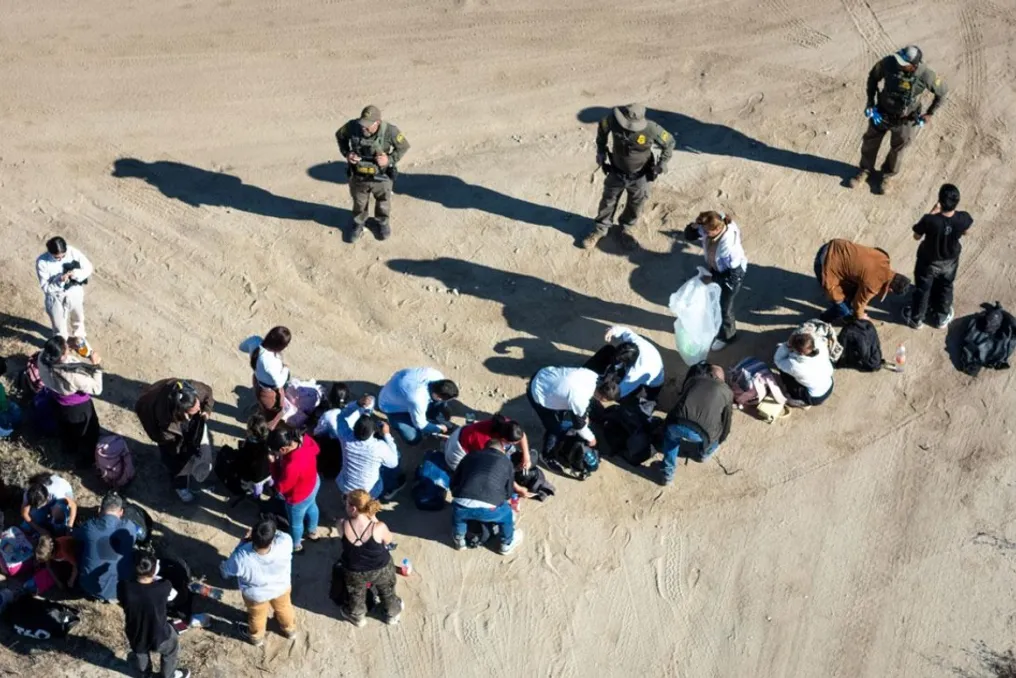
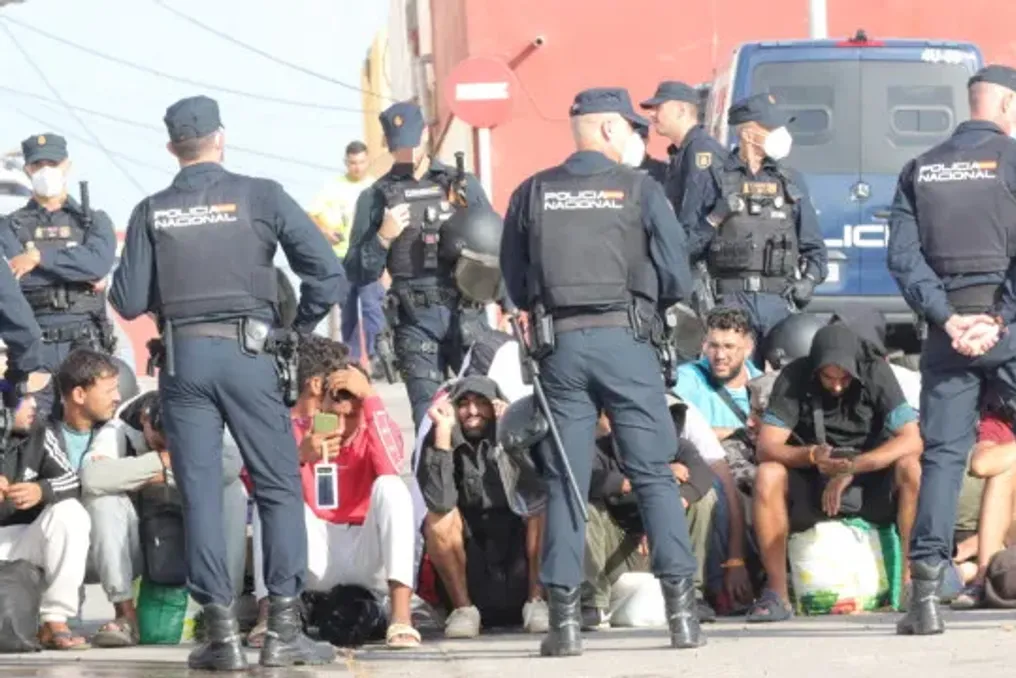
Social media played a key role in the migration crisis at the end of July in the Spanish enclave of Ceuta, located in North Africa, when over 70,000 people illegally entered European territory via Morocco.
Although most illegal migrants returned to Morocco, several thousand, mostly young people, remain in the Spanish city.
This crisis, which caused serious tension in relations between Madrid and Rabat, resulted in the deaths of at least 140 people, according to civil society organizations.
During the weekend, images of hundreds of migrants, most from Sub-Saharan Africa, who were near the border with Ceuta circulated on social media.
The crisis provoked significant instability in the region, as Ceuta has a population of only about 80,000, and also in Europe, where many countries advocate for suspending the Schengen area's free movement agreement with Spain.
In Morocco, which is accused of using migration as a tool for destabilization, the institutional and political response was limited; authorities delayed issuing a statement denying any responsibility for four days.
This is not the first instance where illegal migration into Ceuta has caused a crisis between Madrid and Rabat. In 2021, about 10,000 people illegally crossed the border into the Spanish city. At that time, Morocco linked the tension to Spain's decision to allow Brahim Ghali, leader of the Polisario Front, to receive treatment in Spain after contracting COVID-19.