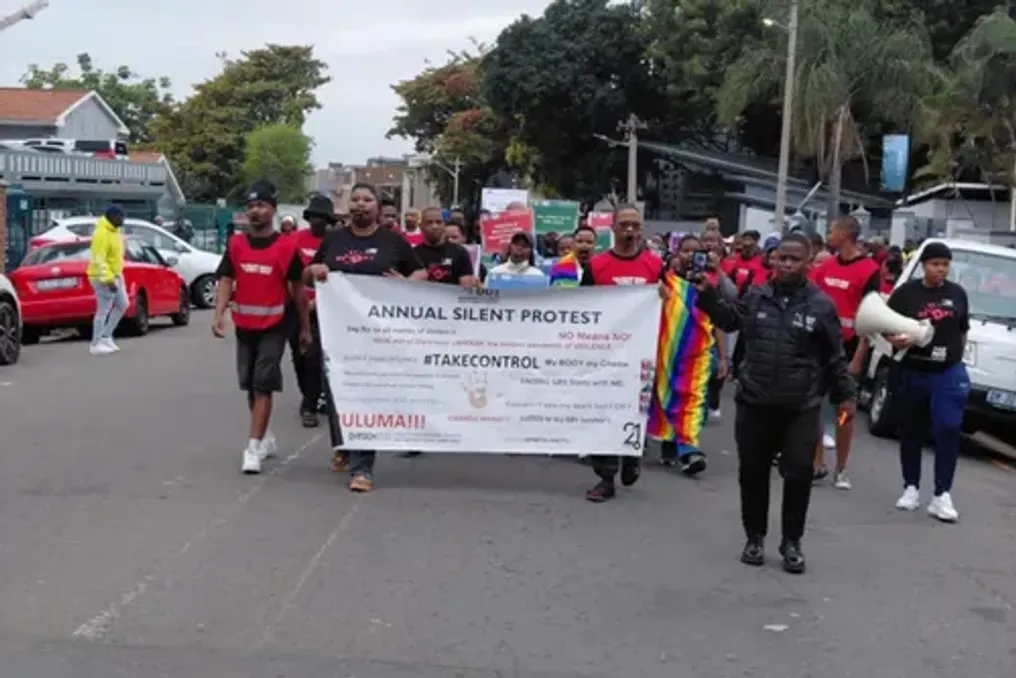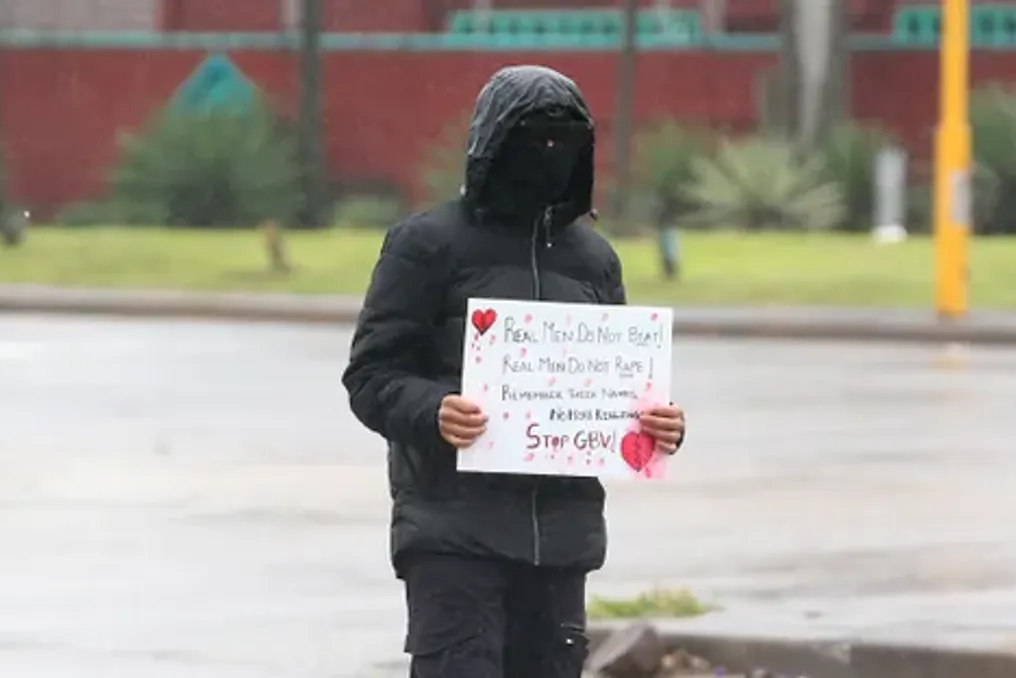
After surviving a horrific attack that nearly cost her life, Alison Botha has once again appealed to South African women for action. Her story, which took place more than thirty years ago, serves as a reminder of the ongoing issue of gender-based violence (GBV).
Botha was abducted by two men in Port Elizabeth (now Gqeberha) on December 18, 1994, when she was 27 years old. She was raped, subjected to over 30 stab wounds, and had her throat cut before being left to die. Despite her severe injuries, she managed to reach a road where she was found and taken to the hospital.
In an emotional video address, Botha shared her experience and questioned how much the situation regarding gender-based violence has changed since she began speaking out about the issue. She reminded viewers that she herself is a survivor of GBV, having been abducted and sexually assaulted in 1994.
More than 30 years later, the fight continues
Botha continued to publicly share her experience in the hope that it would help raise awareness and contribute to solving the problem of violence against women. Her attackers, Frans du Toit and Tuns Kruger, were convicted in 1995 and sentenced to life imprisonment. Both were released on parole in 2023 after serving approximately 28 years in prison.
However, Minister of Correctional Services Peter Groenewald revoked their parole in February 2025. The Department of Correctional Services confirmed that both men were re-incarcerated and remain in custody. For Botha, the more than 30 years have not brought the changes she hoped her story could inspire. She noted that the GBV crisis in the country has not improved but has, conversely, worsened.
Nine women died in Ekurhuleni
Her statement came amid South Africa grappling with the deaths of nine women whose bodies were discovered across Ekurhuleni since July. The first five bodies were found in the Kenton Park area, while the others were in Clayville, Olifantsfontein, Rodsfield, Kwateme, and Don Park.
According to the current Minister of Police, Firoz Kachali, eight of the nine victims have been identified, although only seven families had been notified at the time. Among those identified are Itumeleng Kekana, Elizabeth 'Tsonzo' Moselakgomo, Dineo Evelyn Motapane, and Gracis Nkomo. Police have launched a multi-faceted investigation into these deaths and are examining potential links between the cases.
The discovery of the ninth body heightened concerns about a possible serial killer, as similarities between some cases prompted the police to warn residents. Nevertheless, authorities have not confirmed that one perpetrator or group is responsible for all nine deaths; they announced the arrest of two women and one man in connection with the Don Park murder case. However, the murders have sparked new fear among women and anger from communities demanding answers.
For Botha, the discovery of the bodies served as a painful reminder that the violence she experienced more than three decades ago remains a reality for women across the country. She emphasized that these women, like many others, were not as fortunate as she was. Botha also questioned the level of urgency given to GBV, comparing it to the measures taken by the government during the Covid-19 pandemic. She cited the COVID-19 mortality rate in South Africa during the early stages of the pandemic, which was less than 5%, compared to the risk of GBV, which exceeds 33%.
A national-level GBV study by the Council for Scientific and Industrial Research showed that more than one in three women in South Africa aged 18 and older have experienced physical and/or sexual violence in their lifetime. Botha's main message concerned the lack of urgency regarding the GBV crisis in the country and the burden placed on women who are forced to defend themselves. She expressed fatigue with the need to constantly look over their shoulders and organize group outings. Botha believes that such restrictions are merely a temporary solution to a complex societal problem that requires fundamental change. She called on leaders to make significant, long-term, and real changes, supporting all women in South Africa.