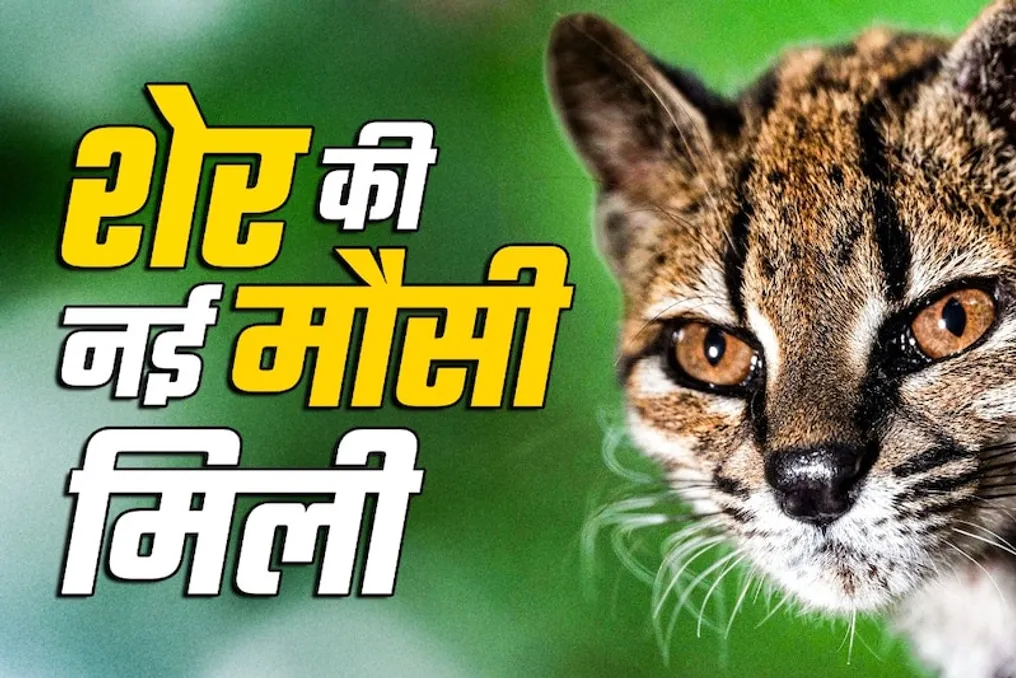
Scientists in the South American country of Bolivia have identified a new wild cat species. This discovery represents the first instance in over a century of the formal naming and description of a living cat species.
Local people call this animal Tilkayo, while scientists have named it Leopards tilkayo.
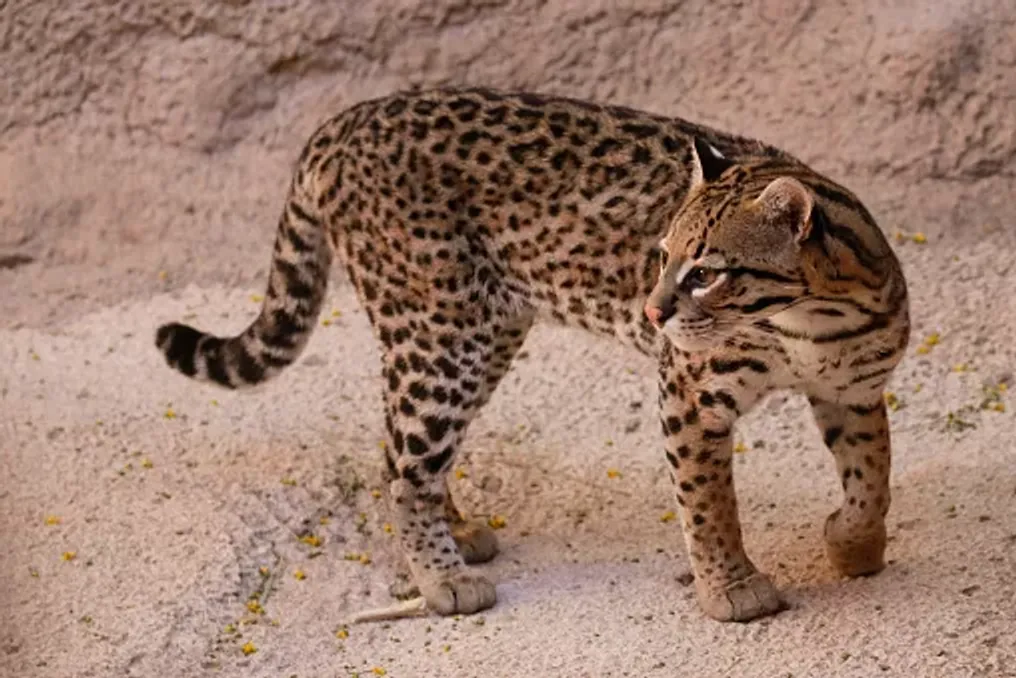
This cat was found in the montane cloud forests of Yungas in Bolivia, which are known for their high humidity and being covered in clouds. The Tilkayo is approximately 46 centimeters long and weighs about 1.4 kilograms, making it smaller than a typical domestic cat. Its skin is light brown and features irregular spots (rosettes) across its body. Researchers believe that limited information is still available regarding its biology and lifestyle; the presence of small animal remains in scat samples suggests they may be part of its diet. Based on evidence from camera traps, this cat is more active at night.
This discovery is not based solely on external appearance; scientists confirmed its status as a new species using genetic data. Cats belonging to the group called Tiger Cats are found in large areas of South America, and previously, they were considered a single species. However, genetic studies conducted decades ago suggested the possibility of multiple species.
In this new study, DNA from 38 cats from several South American countries was analyzed, including eight museum specimens. The results showed that Tiger Cats are actually five distinct genetic species. One of the researchers, Jonas Lescroart, commented that no one had previously imagined the Bolivian Tiger Cat as a separate species.
According to genetic analysis, the lineage of the Tilkayo diverged from other Tiger Cats approximately 1.4 million years ago. The greater the difference in DNA, the longer the estimated time they have been genetically separate, and this level of difference is typically considered species-level in cats.
The International Union for Conservation of Nature (IUCN) Red List currently lists Tiger Cats as two vulnerable species whose populations are declining. The researchers have shared their findings with the IUCN, which will allow for the separate evaluation of all five lineages in an upcoming review and provide a more accurate picture of the risk. If a species like the Tilkayo is assessed individually, it could be considered endangered. The Yungas region is one of the most severely affected ecosystems in the area, facing pressure from deforestation, agricultural expansion, human-induced fires, and mining.
According to researcher Paola Nogales-Ascarrunz, protecting remaining native forests, restoring parts of forests damaged by fire, and maintaining connectivity between habitats are extremely essential.
A live specimen, a 10-year-old male found in the Senda Verde Wildlife Reserve after living with a local family, attracted researchers because its characteristics did not match the descriptions of Brazilian cats, raising the question of which Tiger Cat is actually present in Bolivia.
This team also described a new subspecies in the Yungas of Peru, named Leopards tigrinus antisuyo. Senior researcher Eduardo Iziric believes that the discovery of new species in a major group like cats indicates that countless unknown species still exist in the world, at risk of extinction before they can be discovered. This discovery highlights both the diversity of nature and the urgent need for conservation, and a small but unique species like the Tilkayo reminds us of the importance of protecting forests.