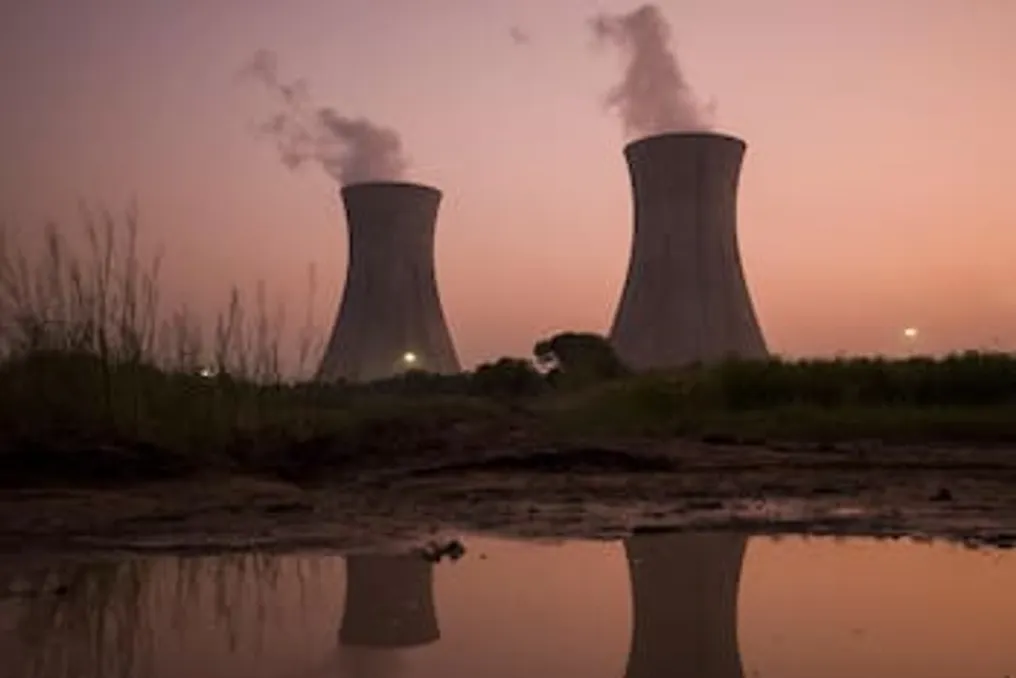
According to government data, about 40% of India's coal-fired power plants are operating with critically low fuel reserves. This is linked to a sharp increase in electricity demand caused by abnormally hot weather associated with the El Niño phenomenon.
The Central Electricity Authority reported that the number of power plants with critically low coal reserves—meaning less than 25% of the required volume or capable of generating energy for less than three days—has significantly increased. If there were about 60 such facilities last week, the number reached 74 as of September 19.
Over the past week, peak electricity demand in India fluctuated between 230 and 250 gigawatts. It should be noted that in May, peak demand reached an all-time high of 270.70 gigawatts.
Analysts at Crisil believe that the depletion of reserves at power plants is a temporary logistical issue, not an indication of structural supply constraints. Earlier, in early September, the Indian ministries of coal and railways reported an increase in supplies to stations after unpredictable monsoon rains affected transportation.
Although renewable energy generation increased by approximately 21% between April and August, due to the intermittent nature of clean energy, coal power plants continue to play a vital role in meeting round-the-clock demand, according to Crisil. Furthermore, Reuters reported last week that coal imports by Indian producers reached a 15-month high in August, as the heatwave intensified the need for electricity and hydropower remained weak, forcing utilities to turn to expensive foreign suppliers.