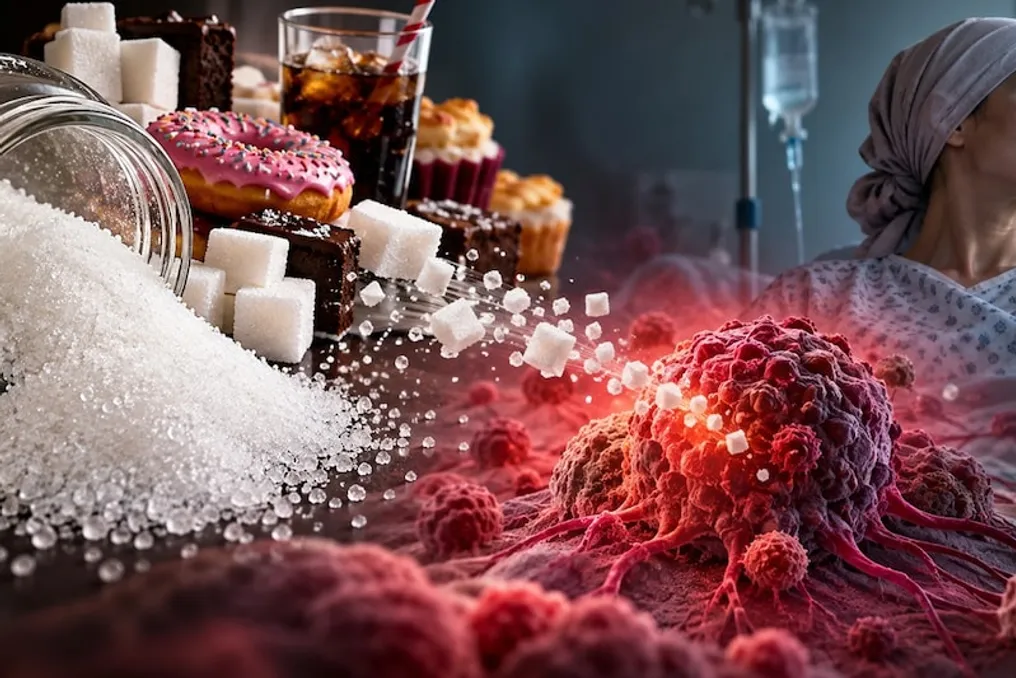
When diagnosed with cancer, doctors strongly recommend that patients adhere to specific dietary rules, emphasizing increased intake of proteins and vitamins. Recently, some influencers have claimed that cancer patients should avoid sugar and milk, fearing it might promote the development of the disease. However, there are doubts as to whether sugar and milk actually enhance cancer.
Dr. Vedant Kabra, Chief Director of the Oncology Surgery Department at the Fortis Memorial Research Foundation, commented on this topic. He noted that eating habits have significantly changed in recent years as people follow the trends of Western countries. At the same time, he stressed that nutrition must align with local conditions: it is better to consume products available in the current season in the region of residence. Consuming packaged or out-of-season products can be harmful to health.
He gave examples of a seasonal diet: residents of North India in summer can consume chai-chha, lemon, watermelon, and melon, and add barley to bread along with wheat. In winter, millet and corn are recommended, and persimmon, apple, and pomegranate serve as fruits.
Dr. Vedant explained that sugar is an artificial product, and its consumption offers no benefit. Excessive sugar intake can lead to various problems such as fatty liver disease, metabolic syndrome, and obesity, which potentially increase the risk of developing cancer. Nevertheless, he stated that there is no evidence that consuming sugar causes cancer in patients.
Regarding milk, Dr. Kabra clarified that there is no direct link between milk consumption and cancer development; that is, if a cancer patient drinks milk, it will not lead to an exacerbation of their illness. The most important aspect is that the food is prepared at home, rather than being fast food.
The expert warns against blindly following advice spread on social media. One cannot assume that a person who followed a diet recommended on social media has necessarily recovered, as this is not universal. In matters of treatment, medication, or diet, one must always consult a doctor, as information on social media can be unreliable and instead of benefiting health, harm it.