Inspections will begin in Tashkent for apartment buildings that did not meet the established heating standards during the past warm season. An energy audit will be carried out in these buildings starting September 21.
Inspections will begin in Tashkent for apartment buildings that did not meet the established heating standards during the past warm season. An energy audit will be carried out in these buildings starting September 21.
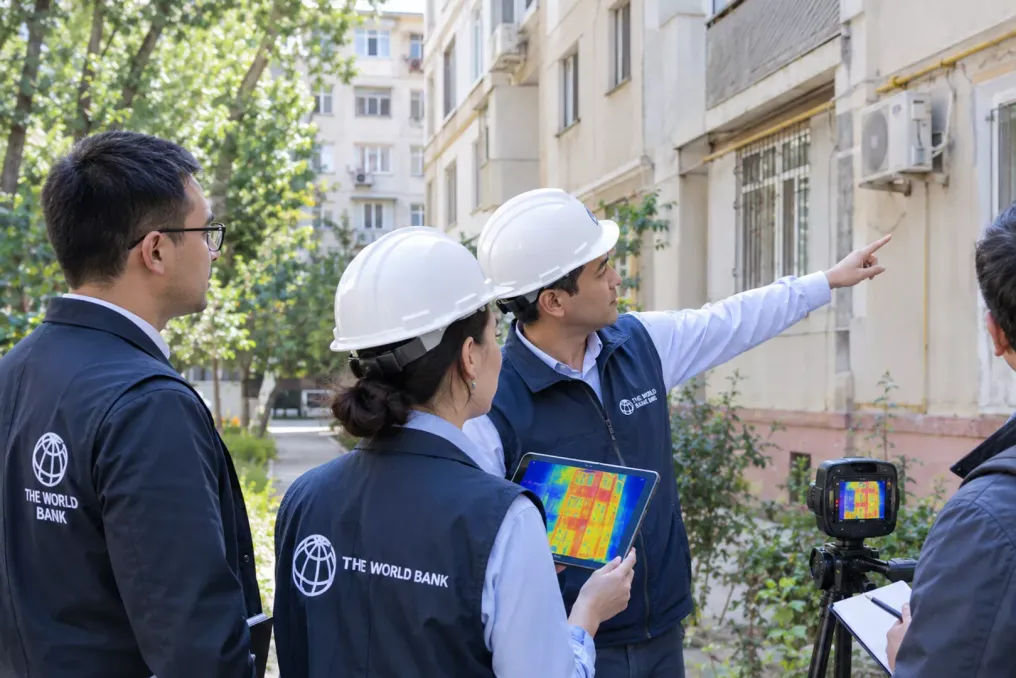
According to a statement from the Tashkent city mayor's office press service, the inspections will be conducted with the assistance of World Bank specialists. The buildings selected for the audit were chosen after surveys of addresses organized by the capital's mayor's office.
Specialists will assess the technical and energy condition of the buildings, identify sources of heat loss, and conduct measurements of external walls, roofs, foundations, doors, windows, and internal heating systems.
The main factors leading to heat loss in each building will be determined, and technical solutions will be developed to eliminate these problems. Based on the audit results, a unified methodology is planned to be created for the efficient heating of apartment buildings in Tashkent.
This methodology will allow for the assessment of the energy efficiency of residential buildings, the identification of objects requiring modernization, the implementation of measures to reduce heat loss, and the introduction of energy-saving solutions.
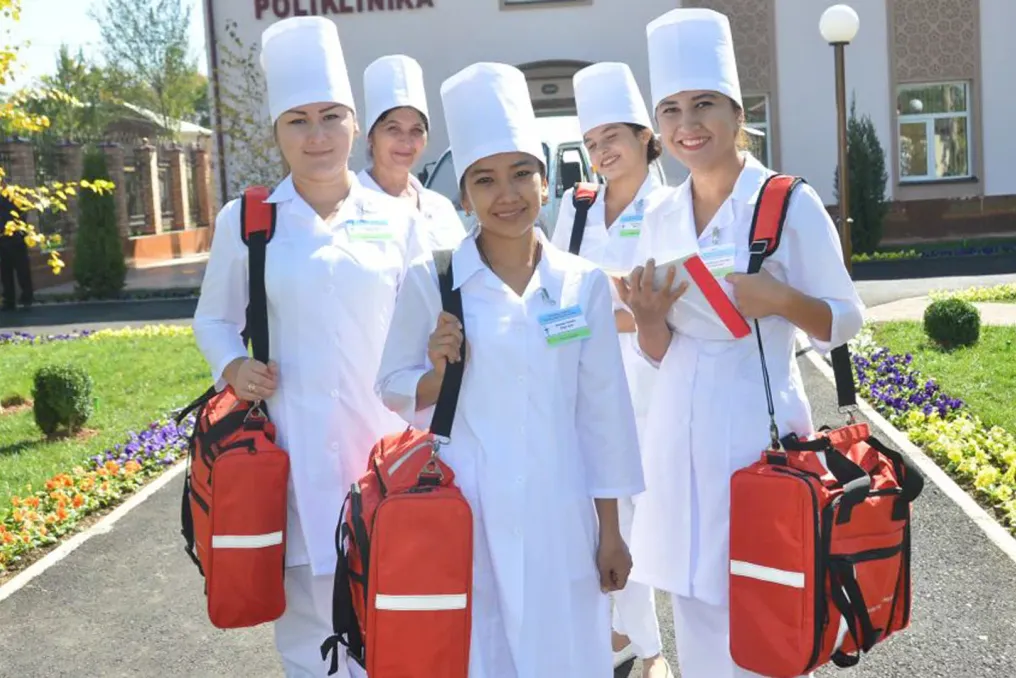
The system for training mid-level medical personnel is changing in Uzbekistan, while the training of highly qualified nurses and medical workers with higher education is being expanded. Starting from the 2027/2028 academic year, the system of training mid-level medical personnel through two-year programs will be abolished.
According to the new decree signed by the president, additional financial incentives will be introduced for bachelor's graduates in the specialties 'nurse' and 'medical worker'. Master's graduates will receive double the bonus.
The current minimum wage (MHTEKM) is 1.36 million soums. If this amount is maintained, bachelors will receive 1.36 million soums monthly, and masters will receive 2.72 million soums as an additional payment.
New specializations will be introduced starting from the 2027/2028 academic year: 'Medical Support' based on 'Nursing' and 'Higher Medical Support' based on 'Higher Nursing'. Female graduates will be awarded the qualification 'nurse', and males will be awarded 'medical worker'.
The state order for the 'Higher Medical Support' specialization will increase by at least 20% annually until the 2030/2031 academic year. Additionally, joint educational programs will be created with master's programs and foreign higher education institutions in this field.
Thus, starting from the 2027/2028 academic year, enrollment in two-year programs for training mid-level medical personnel will cease. This will allow the system to gradually shift its focus towards training highly qualified specialists with higher education.
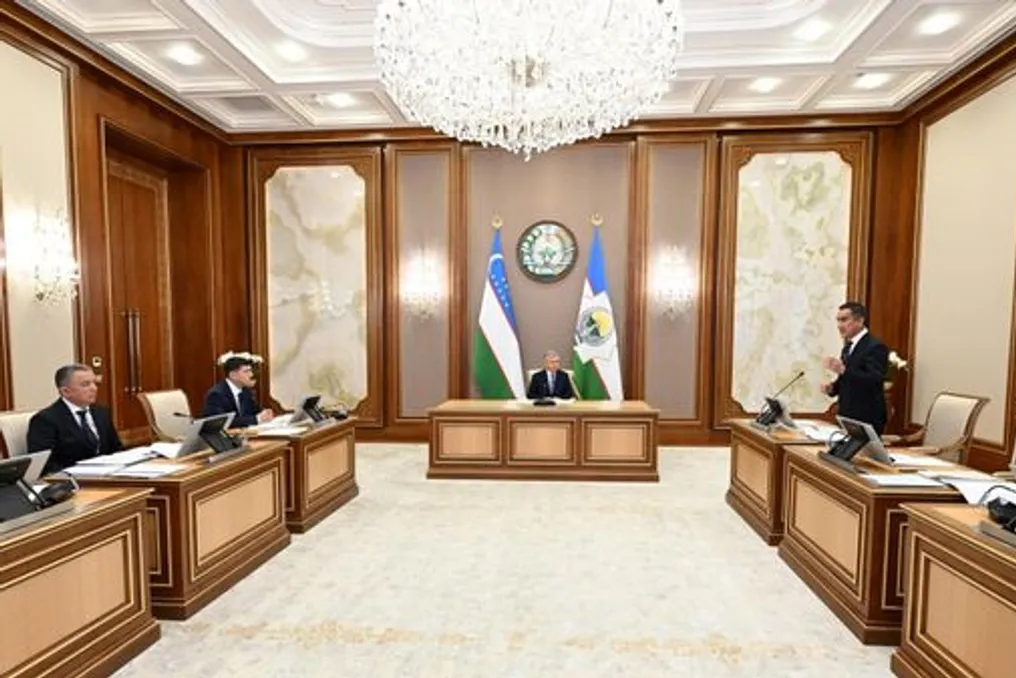
The introduction of a new mechanism for determining the prices of liquefied gas is planned. The cost of the gas will be set based on economic indicators, but compensation for every kilogram will be provided for families in need of social support.
According to the proposals, a company named 'LPG-Trade' will be created as part of the charter capital of 'Hududgaztaʼminot'. This company will purchase liquefied gas through an exchange and then deliver it to the population according to the established procedure.
In parallel, an economically justified mechanism is planned to establish the retail price of liquefied gas. Compensation for every kilogram of gas purchased by the population requiring social protection will be paid.
As a result, state funds will be directed directly to needy consumers instead of being used as general subsidies.
There is also consideration of covering the difference that arises when supplying liquefied gas to social sphere facilities at exchange prices and selling it to the public at the established price, using funds from the republican budget.
It is planned to expand the participation of the private sector in this area. A pilot project involving the attraction of private operators for liquefied gas delivery will be implemented in the Andijan region.
Operators must possess the necessary licenses, permits, as well as qualified engineering and technical personnel. It is planned that there will be at least two operators working in each region, and mobile applications and online services will be launched for consumers.
Furthermore, tasks related to the infrastructure of the NPP being built in Jizzakh and the adjacent settlement were discussed.
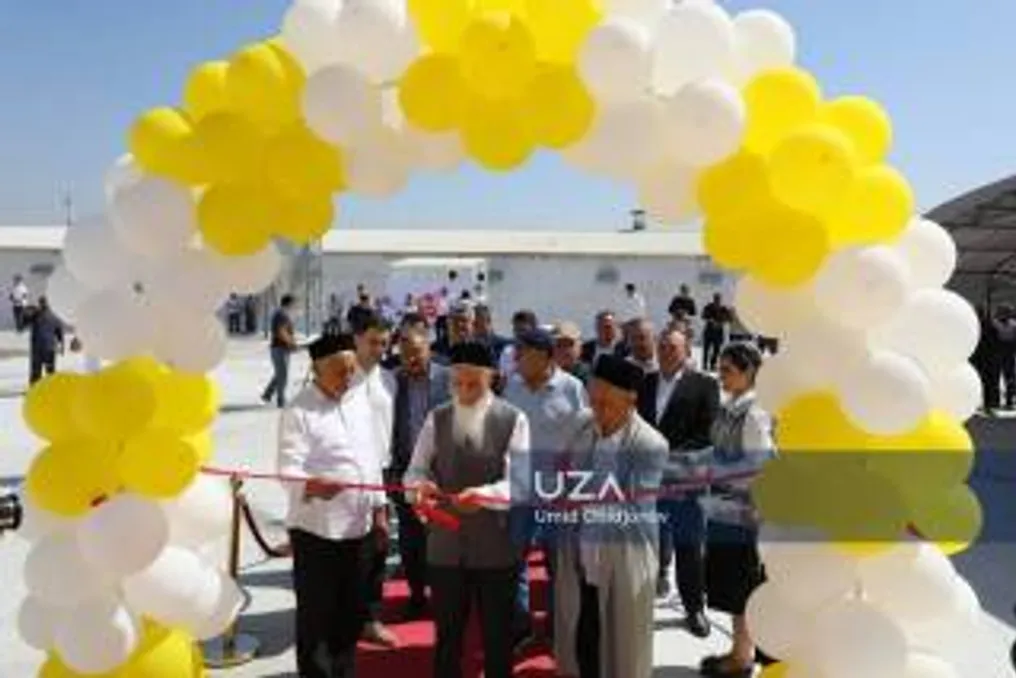
As part of fulfilling the directives of the head of state during his visit to the Saihunobod district in 2024, a large production complex based on modern technologies was commissioned on the site of an old livestock farm that had long been located in the Yangi hayot mahalla area and was not being used effectively.